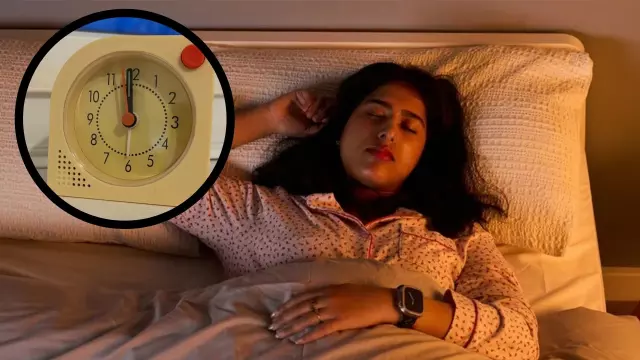
Is Sleep Before Midnight Better? Two Medical Doctors Respond
- Tags
- Sleep Hygiene
- Wellness
- Health
- sleep
- circadian rhythm
- Medical Advice
Is sleep more potent before midnight?
The age-old proverb, 'Every hour of sleep before midnight is worth two hours after,' is one of the most enduring sleep myths. But does an earlier bedtime actually mean your quality of sleep before midnight is superior to what comes after 12:01 a.m.?
According to experts, the quality of sleep depends on where you are in your natural sleep cycle rather than the clock on the wall. Dr. Saema Tahir, a board-certified physician specializing in sleep disorders, notes that sleep quality is not dictated by whether the clock has struck midnight. Dr. Danielle Wall, an internal medicine physician and sleep medicine specialist at the University of Vermont Health Network, agrees, stating that the human body does not possess an internal clock that suddenly devalues sleep after midnight.
However, there is a small grain of truth to the myth, rooted in natural human sleep architecture. Sleep architecture naturally shifts as the night progresses. Humans typically experience heavier, deeper slow-wave sleep earlier in the rest period, while periods of Rapid Eye Movement (REM) sleep become longer and more frequent toward morning. Historically, when people went to sleep around dusk, their deepest sleep naturally fell before midnight.
Working with your biological clock
While going to bed at 11 p.m. versus 1 a.m. does not automatically determine sleep quality, maintaining a consistent schedule that respects your internal circadian rhythm is vital. The true determinant of restful sleep is whether your schedule allows sufficient duration across all stages of sleep.
When is Human Growth Hormone (HGH) released?
A primary pillar of the pre-midnight sleep argument is the association with Human Growth Hormone (HGH), which regulates metabolism and cellular repair in adults. While it is true that the largest daily pulse of HGH secretion occurs during the first deep sleep period of the night, this pulse is fundamentally tied to sleep onset rather than the clock itself. Delaying bedtime simply delays the release of HGH, provided the individual still achieves adequate deep sleep.
Top ways to boost your sleep quality
Instead of stressing over arbitrary clock times, sleep specialists recommend focusing on consistency and healthy sleep hygiene practices:
- Set a bedtime reminder: Base your bedtime on a fixed wake-up time, allowing for at least seven to eight hours of rest. Begin winding down about an hour before sleep.
- Prioritize duration: Aim for a minimum of seven hours of quality sleep nightly to support long-term cognitive and physical health.
- Keep a consistent routine: Avoid drastically altering your sleep and wake times on weekends to prevent social jet lag and maintain your internal circadian rhythm.
Comments (0)
Sign in to join the conversation.Sign in
Loading comments...