Google Fitbit Edge vs Fitbit Air: Which Fitness Tracker Should You Choose?
- Tags
- Health Tech
- Fitness Trackers
- Fitbit Air
- Smartwatches
- Fitbit Edge
Introduction to Google's Newest Wearables
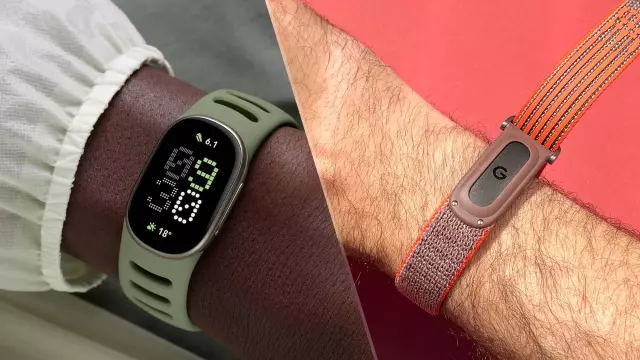
Fans of the popular Fitbit Charge line have plenty to talk about as Google introduces the new $179 Fitbit Edge, officially stepping in to replace the legacy Fitbit Charge series within the brand's expansive fitness-tracker lineup. With so many options available, prospective buyers are left wondering how this new device compares to Google's ultra-affordable $99 Fitbit Air. Whether you are looking for a screenless minimalist experience or a fully featured tracker with a display, choosing the right device depends heavily on your specific health tracking needs and budget.
What is the Fitbit Edge?
Google hasn't released a traditional Fitbit Charge since 2023, making the Fitbit Edge a long-awaited refresh for the budget-conscious fitness tracker category. On paper, it inherits many of the beloved features of its predecessor: a crisp small display, an impressive week-long battery life, built-in GPS, and comprehensive tracking for workouts, sleep quality, and stress levels right from your wrist. While it might not offer the deep app ecosystem or extensive smartphone notifications found on a fully fledged smartwatch, it handles all the foundational metrics required to monitor your everyday health and fitness goals.
Design-wise, the Fitbit Edge adopts a more modern aesthetic characterized by softer, rounded edges compared to the boxier silhouette of the Fitbit Charge 6. It is also slightly larger, measuring 39.2 x 25.6 mm compared to the older model's 36.7 x 23.1 mm footprint. Priced at $180/£160, the Fitbit Edge is available in four distinct colorways for its active band option: olive green, classic black, clean white, and soft pink. Notably, the olive variant pairs with an olive aluminum casing, while the pink model features a chic champagne gold casing. Similar to the Fitbit Air, users can also opt for a special edition Stephen Curry band, with plenty of third-party and official band options expected to roll out soon.
Smart Features and Subscriptions
For those looking to get the most out of their hardware, it is worth noting that unlocking the advanced Gemini-powered AI health coach or deeper sleep analytics requires a paid Google Health Premium membership. While this introduces an ongoing subscription cost, hands-on testing suggests that Fitbit's AI-powered guidance system is among the best in the industry, making the extra investment worthwhile for dedicated fitness enthusiasts. The Fitbit Edge is available for pre-order now ahead of its official release on October 27.
Should You Buy the Fitbit Edge or the Fitbit Air?
The core dilemma for buyers boils down to a single question: do you want your fitness tracker to have a screen? The $99 Fitbit Air remains a phenomenal choice for those seeking a screenless, highly comfortable, and budget-friendly tracker. However, skipping a screen means you sacrifice the ability to view real-time workout metrics on your wrist.
The Fitbit Edge sits comfortably in the middle tier. It lacks the app store and notification depth of the Google Pixel Watch 5, but it offers significantly more functionality than the screenless Fitbit Air—including a dedicated display, an ECG app, and built-in GPS. Furthermore, unlike the Pixel Watch 5, the Fitbit Edge maintains cross-platform compatibility, working seamlessly with both Android and iOS devices. Comprehensive reviews and testing will follow soon as reviewers put the Fitbit Edge through its paces.
Comments (0)
Sign in to join the conversation.Sign in
Loading comments...