I Replaced My iPhone Alarm with a Sunrise Clock: 30 Days of Better Mornings
- Tags
- Sleep Hygiene
- sleep tech
- Morning Routine
- circadian rhythm
- wellbeing
Waking Up Without the Dread
For many of us, the start of the day is marked by the harsh, jarring sound of an iPhone alarm blaring in the dark. As the seasons change and mornings become darker, this routine often leads to a phenomenon known as 'sleep inertia'—that lingering, groggy feeling that makes it nearly impossible to get out of bed. After thirty days of testing a sunrise alarm clock, I have found a solution that has completely transformed my mornings.
The Problem with Traditional Alarms
Smartphone alarms are designed to interrupt our sleep cycles abruptly. When we are jolted awake by a loud, artificial sound while in a deep sleep phase, it triggers a stress response that leaves us disoriented and reaching for the 'snooze' button. Furthermore, checking a phone screen immediately upon waking introduces blue light and digital distractions, which can ruin productivity before the day has even truly begun.
The Science of Light and Sleep
According to human biologist and longevity expert Gary Brecka, light is the primary regulator of our circadian rhythm—the internal clock that governs our sleep-wake cycle. When your eyes register natural light early in the morning, your brain is signaled to suppress melatonin (the sleep hormone) and stimulate the production of cortisol (the energy hormone). A sunrise alarm clock mimics this biological trigger, providing a gradual, gentle transition that allows you to wake up in a light sleep stage, feeling refreshed rather than groggy.
How the Transition Changed My Routine
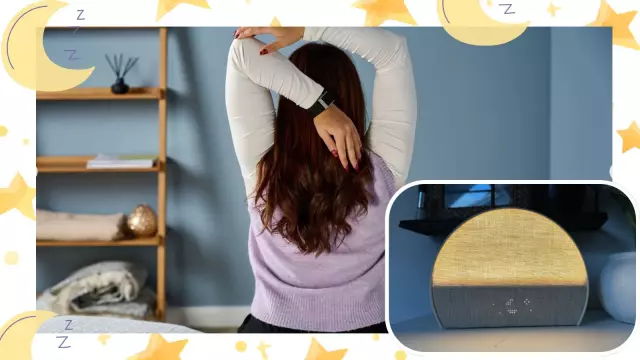
Replacing my digital alarm with a sunrise-simulating device, such as the Hatch Sleep Clock, changed my life in four specific ways:
1. Vanishing Morning Grogginess
By gently increasing the light in my room before the actual alarm goes off, I am now waking up naturally. My body is biologically prepared to start the day, which has drastically reduced my reliance on the snooze button.
2. Improved Energy Levels
With the slow rise of simulated light, my body initiates its cortisol production appropriately. This has made my early morning workouts sustainable again, as I no longer feel the heavy lethargy associated with being woken up in the middle of a sleep cycle.
3. A Consistent Circadian Rhythm
Setting consistent 'sundown' and 'sunrise' modes has held me accountable for my sleep hygiene. I am now adhering to a more stable sleep schedule, which has helped me meet the recommended seven-to-eight-hour sleep window.
4. Healthier Digital Habits
Perhaps the biggest benefit is the removal of the phone from the bedroom. Without the temptation to check notifications the moment I open my eyes, I have reclaimed my first few minutes of the day for reading and mindfulness, rather than doomscrolling.
The Verdict
While a sunrise alarm clock might require an initial investment, the long-term benefits to your mood, physical energy, and cognitive clarity are profound. If you are struggling with dark mornings and recurring sleep inertia, making the switch to light-based wake-up technology is a scientifically sound way to upgrade your quality of life.
Comments (0)
Sign in to join the conversation.Sign in
Loading comments...