Inside the Googlebook: A New Premium Challenger to the MacBook Dominance
- Tags
- Googlebook
- Android Ecosystem
- Gemini AI
- Google Hardware
- Laptops
- MacBook Alternative
The Emergence of the Googlebook
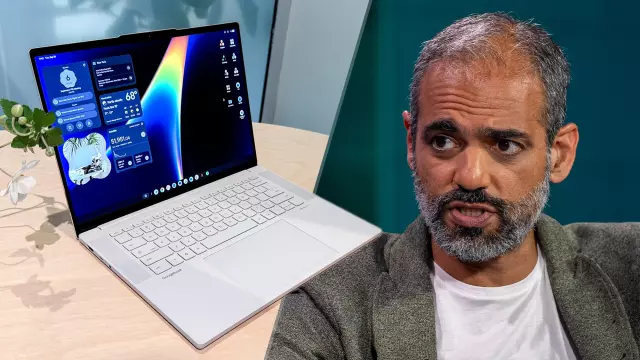
For years, the high-end laptop market has been dominated by a specific narrative: if you want a premium, seamless computing experience that integrates perfectly with your smartphone, you buy a MacBook. However, Google is looking to rewrite that script for the billions of Android users worldwide. Enter the Googlebook, a new breed of premium laptop designed to be the definitive MacBook alternative for the Android ecosystem.
Scheduled for release on October 4, the Googlebook isn't just a single device but a coordinated effort across major hardware partners including Acer, Asus, HP, Dell, and Lenovo. These machines range in price from $899 to $1,299, signaling Google's intent to move beyond the budget-friendly reputation of the Chromebook and compete directly in the premium tier.
Defining the Googlebook: More Than Just a Fancy Chromebook
To the casual observer, a Googlebook might look like a high-end Chromebook. However, Sameer Samat, President of the Android Ecosystem at Google, emphasizes that the distinction lies in the deeply integrated software experience. The goal is to provide Android users with a device that feels as performant and beautiful as their flagship smartphones.
The seamlessness begins at the first boot. When a user powers on a Googlebook, the setup is handled via biometric authentication on their paired Android phone. The system automatically brings over apps, autofill passwords, and payment methods, creating an immediate sense of continuity between the phone and the laptop.
A Fused Ecosystem: Handoff and Integration
One of the primary draws of the MacBook is the 'Apple Magic'—the effortless way an iPhone and Mac communicate. Google is implementing a similar philosophy through what they call a 'fused file system.'
- Seamless Handoff: Starting a Gmail draft on a phone allows the user to pick up exactly where they left off on the Googlebook.
- Instant Media Access: Photos taken on an Android device automatically appear within the laptop's file system without manual uploads.
- Browser Continuity: The Chrome taskbar suggests pages you were recently browsing on your phone, allowing for a one-click transition from mobile to desktop.
AI at the Core: The Gemini Advantage
The most significant differentiator for the Googlebook is the native integration of Gemini Intelligence. Unlike traditional laptops where AI is often an added app, Gemini is baked into the OS. A standout feature is the 'Magic Pointer,' which allows users to shake the cursor over an element on the screen to ask Gemini for more information—essentially bringing the 'Circle to Search' functionality to the desktop environment.
While current iterations focus on information retrieval, Samat indicates that future updates will allow Gemini to take direct action on the hardware, potentially controlling system settings and automating complex workflows.
Hardware Diversity and the 'Glowbar'
While Apple maintains a strict, singular design language, Google is leveraging the openness of the Android ecosystem to offer variety. Consumers can choose from various form factors:
- Acer: A versatile convertible that bridges the gap between laptop and tablet.
- Dell: A 13-inch XPS Googlebook powered by Snapdragon for extreme efficiency.
- Asus: An ultra-lightweight 14-inch model weighing only 2.2 pounds.
- Lenovo: A larger 15-inch powerhouse for productivity.
Adding a touch of personality, Google has introduced the Glowbar—a strip of colorful LEDs on the lid. While aesthetically reminiscent of the original Pixelbook, it serves a function by displaying boot-up animations and battery levels. Google is also opening an API for the Glowbar, allowing developers to create custom visual notifications.
The App Gap: Bridging Android and Desktop
The historical weakness of Android-based computing has been the app experience. Google is addressing this by working with developers to optimize apps specifically for larger screens. In the Play Store, 'desktop-ready' apps will be identified with a specific label.
Key partners like WhatsApp, CapCut, Photoshop Lightroom, and Netflix are already optimizing their experiences. Notably, Netflix on Googlebook supports full HDR and offline playback—features that set it apart from other platforms. For lighter tasks, users can simply 'stream' phone apps (like Uber Eats) onto the desktop without needing a full installation.
Verdict: Can Google Justify the Premium Price?
With prices reaching $1,299, the Googlebook is a bold gamble. To justify the cost, Google has set strict hardware minimums: OLED touchscreens, 16GB of RAM, backlit keyboards, and the latest processors from Intel and Qualcomm.
By combining high-end specs with an AI-first approach and a seamless Android handoff, Google is no longer just selling a browser in a box; they are selling a premium productivity ecosystem. For the power user who is already deep in the Android world, the Googlebook may finally provide the 'MacBook experience' they've been waiting for.
Comments (0)
Sign in to join the conversation.Sign in
Loading comments...