iPhone 18 Pro vs. iPhone 16 Pro Face-Off: Is the Upgrade Worth It?
- Tags
- Apple
- iPhone 18 Pro
- Smartphone Comparison
- iPhone 16 Pro
- Tech Face-Off
Introduction
The iPhone 16 Pro is only a couple of years old and remains a very capable handset. But with the iPhone 18 Pro now out in the wild and offering several big performance improvements, many people may be weighing up whether it's time to upgrade.
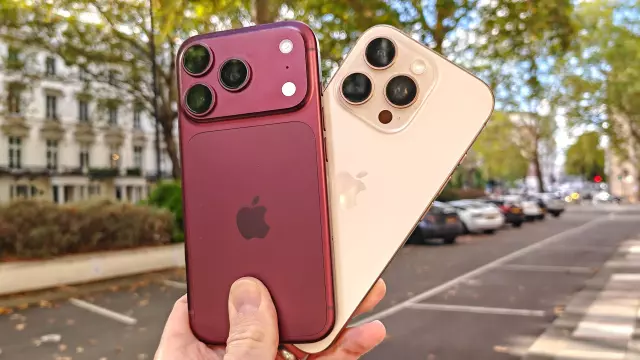
A good general rule of thumb is to upgrade every 3 or 4 years, but owners switching from an iPhone 16 Pro to Apple's latest effort will immediately see a few changes. The camera island has become a camera plateau, the chassis has ditched titanium for aluminum, and the Dynamic Island has noticeably shrunk.
Having used both phones, I can give you the full breakdown on how they compare in my iPhone 18 Pro vs iPhone 16 Pro face-off. Back in 2024, the 16 Pro impressed on its debut with features like an upgraded 48MP ultra-wide camera, 4K 120 fps slow-mo videos, and Audio Mix. In 2026, the 18 Pro takes things to an even higher level — albeit for an increased cost. So, is it worth making the switch?
Design and Build Quality
Apple made some notable changes last year, and while the changes between last year's flagship and this year's model are hard to spot, that's not the case if you're comparing the 18 Pro with the 16 Pro.
The two biggest design changes are the shift away from a titanium frame back to an anodized aluminum unibody used in the past and a new camera plateau. Abandoning titanium means the iPhone 18 Pro is liable to be more affected by scratches and scuffs than the older device. Also, because it's a softer metal, you can expect the iPhone 18 Pro to be more prone to dents or dings if you happen to drop it without a case. Apple likely anticipated this, which is why the company has added Ceramic Shield toughened glass to the back of the iPhone 18 Pro.
However, Apple is able to do a lot more optimizing by switching back to anodized aluminum. For starters, the iPhone 18 Pro is lighter at 199g compared to the 211g iPhone 16 Pro. Secondly, because aluminum is a better heat conductor, Apple can use the entire chassis as a heat sink to manage the thermal output of the chip, paired with a vapor chamber for 40% better sustained CPU/GPU performance.
Display Improvements
The iPhone 18 Pro has the same 6.3-inch display size as the iPhone 16 Pro, with the same resolution (2622 x 1206) and pixel density (~460 ppi). However, the newer device has a higher peak brightness of up to 3,000 nits (compared to 2,000 nits on the 16 Pro), which is noticeable when outside in direct sunlight. A specialized anti-reflective display coating reduces ambient glare and increases contrast in bright environments.
Camera Upgrades
If you're a frequent photographer, you're going to find the upgrades present in the iPhone 18 Pro the most tempting. Apple has upgraded the 12MP Telephoto camera from the 16 Pro into a full 48MP Fusion Telephoto camera capable of up to 8x optical zoom and 40x digital zoom.
The 18 Pro introduces mechanical variable aperture (moving through four physical stops: f/1.48, f/1.8, f/2.8, and f/4) and native Pro Controls in the default camera app, letting users adjust shutter speed, ISO, white balance, and manual focus. The selfie camera is also upgraded to an 18MP Center Stage sensor.
Performance and Battery Life
Powered by the new 2nm A20 Pro silicon, the iPhone 18 Pro delivers a massive leap in graphical and multi-core performance compared to the A18 Pro. Furthermore, battery capacity has increased to 4,056 mAh, yielding over 16 hours of battery life in real-world testing alongside much faster 60W wired charging speeds.
Verdict
Although the iPhone 18 Pro brings incredible photography controls, a brighter screen, faster performance, and better battery life, you may not need to ditch the iPhone 16 Pro just yet. Think of it like an 'S' model upgrade; waiting for next year's milestone anniversary edition might make the switch even more compelling.
Comments (0)
Sign in to join the conversation.Sign in
Loading comments...