iPhone Duo: The 7 Critical Trade-offs You Must Consider Before Pre-ordering
- Tags
- iPhone Duo
- Foldable Phones
- Tech Review
- Apple
- iPhone
- Smartphone
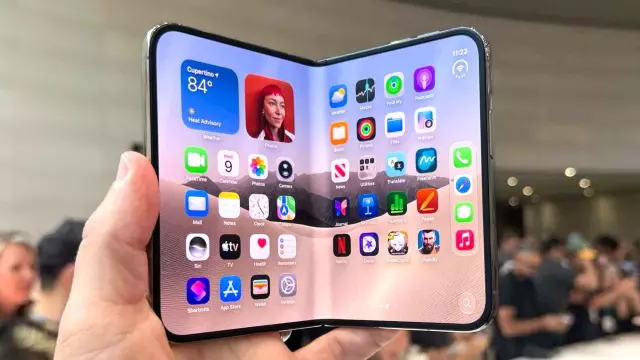
The highly anticipated iPhone Duo has arrived, marking Apple's boldest leap into the foldable smartphone market. Combining the convenience of a 5.4-inch handheld device with the immersive potential of a 7.6-inch nano-texture display, it promises to revolutionize productivity and multimedia consumption. However, for a device commanding such a premium price tag, it is essential to look past the marketing hype and examine the genuine trade-offs compared to traditional flagships like the iPhone 18 Pro Max. Below, we rank the seven key compromises to help you decide if the iPhone Duo is the right investment for you.
1. Absence of Telephoto Zoom (Score: 8/10)
This is the most significant dealbreaker. Unlike the Pro models that feature dedicated telephoto lenses with 8x optical quality, the Duo relies on cropping its 48MP main sensor. If you are a mobile photography enthusiast who frequently captures distant subjects, this limitation will be immediately felt, as you are capped at 10x digital zoom.
2. No Face ID (Score: 7/10)
Due to space constraints in the foldable design, Apple has omitted its industry-leading Face ID system. Users must instead rely on a Touch ID sensor integrated into the power button. While reliable—much like on recent iPads and MacBooks—it lacks the seamless, hands-free authentication experience that has become a staple of modern iPhone ownership.
3. Increased Weight (Score: 6/10)
Portability is a primary concern for any smartphone, and at 8.96 ounces, the iPhone Duo is the heaviest model in Apple’s lineup. It outweighs both the iPhone 18 Pro Max and the competing Galaxy Z Fold 8, which clocks in at a svelte 7.09 ounces. You will feel this extra heft in your pocket or when holding the device for extended periods.
4. Premium Pricing (Score: 5/10)
Starting at $2,000, the entry cost is steep. While this price is competitive within the niche foldable market, it scales aggressively with storage upgrades, topping out at $3,200 for 2TB. The cost-to-value ratio is a significant factor that differentiates it from standard high-end smartphones.
5. Reduced Battery Efficiency (Score: 4/10)
Driving a massive folding display is energy-intensive. Apple estimates a 24-hour battery life for the Duo under regular use, compared to the 30-hour rating for the iPhone 18 Pro Max. For heavy media users, the gap in video playback endurance—31 hours versus 45 hours—is a tangible difference in daily performance.
6. Under-Display Camera (Score: 3.5/10)
To maintain an uninterrupted screen experience, Apple has utilized an under-display camera for the internal screen. While it serves its purpose for basic video calls, it lacks the sharpness of the front-facing 12MP or main 48MP lenses. For high-quality selfies, you will still need to use the external camera options.
7. Limited Pro Camera Controls (Score: 3/10)
Despite its professional-tier price, the Duo lacks the variable aperture and advanced manual controls found on the iPhone 18 Pro series. For users who demand granular control over shutter speed and white balance, the absence of these features is a noted annoyance that feels like an unnecessary limitation for such an expensive piece of hardware.
Final Verdict
While the iPhone Duo is an engineering marvel, it is not a direct replacement for the Pro Max in every scenario. If you value zoom capabilities, lightweight ergonomics, or absolute battery longevity, the traditional flagship may still be your better choice. Carefully weigh these trade-offs against your own daily usage patterns before hitting the pre-order button.
Comments (0)
Sign in to join the conversation.Sign in
Loading comments...