Is the Sleep You Get Before Midnight Really Better? Two Doctors Respond
- Tags
- Health and Wellness
- circadian rhythm
- Sleep Quality
- Sleep Myths
- Medical Advice
Is sleep more potent before midnight?
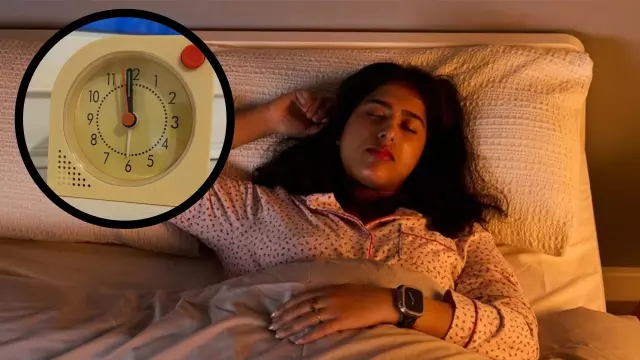
The old adage "every hour of sleep before midnight is worth two hours after midnight" is one of the most persistent sleep myths. But while staying up late has been consistently linked to poorer sleep quality, does an earlier bedtime actually mean your sleep before midnight is biologically superior to what happens after 12:01 a.m.?
To demystify this belief, we spoke to board-certified medical experts Dr. Saema Tahir, M.D., and Dr. Danielle Wall, M.D. They clarify that your body does not possess an internal clock that abruptly downgrades the value of rest the moment the clock strikes midnight.
Instead, sleep quality is determined by where you are in your individual sleep cycle rather than chronological time. However, the myth persists for a reason: sleep architecture naturally changes as the night progresses. We typically experience more deep, slow-wave sleep earlier in the night, while REM sleep periods lengthen toward morning.
Working with your biological clock, not against it
While the time you go to bed influences circadian rhythms and sleep pressure, going to bed at 11 p.m. versus 1 a.m. does not automatically dictate sleep quality. The primary concern is ensuring your schedule aligns with your biological clock to accommodate all necessary sleep stages.
Historically, the "before midnight" proverb originated from agrarian lifestyles when people retired around dusk, naturally aligning their deep sleep windows with pre-midnight hours. Night owls simply experience this same restorative deep sleep in the early hours of the morning.
When is Human Growth Hormone (HGH) released?
A central pillar of the midnight sleep myth is the secretion of Human Growth Hormone (HGH), which regulates metabolism and cell repair. While it is true that the largest daily pulse of HGH occurs during the first period of deep slow-wave sleep, this release is tethered to sleep onset rather than the clock.
As Dr. Tahir explains, delaying your bedtime simply delays the HGH pulse accordingly. Sleep deprivation and fragmented rest are what truly disrupt HGH secretion, regardless of timing.
What boosts sleep quality more than an early bedtime?
Consistency remains the cornerstone of restorative rest. A regular sleep schedule helps you fall asleep faster and increases deep sleep duration. To optimize your sleep hygiene and overall health, consider adopting these expert-recommended strategies:
- Set a bedtime reminder: Base your bedtime on a fixed wake-up time, beginning your wind-down routine roughly eight hours prior.
- Aim for at least 7 hours: Meeting the baseline sleep duration is vital for longevity, immune function, and mental clarity.
- Maintain weekend consistency: Avoid dramatic weekend sleep-ins to prevent social jet lag and protect your internal circadian rhythm.
Comments (0)
Sign in to join the conversation.Sign in
Loading comments...