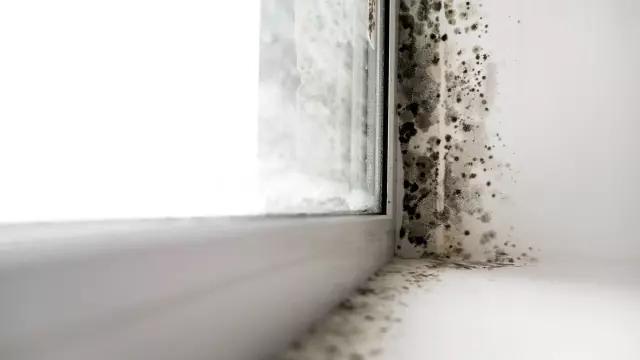
Is your bathroom harboring black mold? An expert shares 3 telltale signs and how to fix them
- Tags
- home maintenance
- mold prevention
- bathroom cleaning
- Home Improvement
- black mold
Understanding Bathroom Mold and Why Fall is Critical
Bathrooms serve as the ultimate breeding ground for mold, combining warm water and trapped steam to create the humid, damp environment where invasive spores easily thrive. Once unsightly green or dark patches appear, removing mold permanently can become a frustrating challenge requiring substantial physical effort.
Black mold, in particular, warrants serious concern. Certain strains can lead to potential health complications, triggering existing allergies or respiratory issues over time. Experts note that autumn is a particularly critical season for black mold growth, as cooler outdoor temperatures paired with indoor humidity create ideal conditions for condensation and mold proliferation.
What is Black Mold?
Black mold is a type of fungus that flourishes in damp, humid settings or areas prone to heavy condensation. Typically appearing in dark green or black spots and patches, it frequently establishes itself around bathtubs, tile grout, and windowsills. When warm, moist air from showers hits cooler structural surfaces, condensation develops rapidly. Grout and silicone sealants are especially susceptible because moisture tends to linger along tile edges.
3 Telltale Signs of Black Mold and How to Fix Them
Tile expert Richard Hill from Waxman Ceramics advises homeowners to tackle dark marks on grout immediately using dedicated bathroom mold removers rather than harsh chemicals that might degrade sealant. Beyond visible spots, a strong musty odor often signals hidden mold growth behind walls or under floors.
1. Replace Damaged Grout and Sealant
Surface cleaning alone cannot stop black mold from returning if moisture penetrates porous layers. Cracked, worn, or permanently stained grout often hides mold beneath the surface. Instead of endless scrubbing, replacing compromised grout and discolored silicone sealants around baths and showers provides a long-term solution.
2. Wipe Down Wet Tiles and Surfaces
While airing out a bathroom after a hot shower is standard practice, residual moisture can quickly spark mold growth. Cultivating the habit of wiping down wet shower walls, corners, and tile edges immediately after use eliminates trapped water. Additionally, leaving shower curtains fully open helps them dry efficiently.
3. Combat Excess Condensation
Proper ventilation is vital for keeping mold at bay, especially during colder months when condensation spikes. Utilizing an extractor fan, cracking a window, or investing in a reliable dehumidifier can drastically reduce indoor humidity and keep bathroom surfaces dry.
Comments (0)
Sign in to join the conversation.Sign in
Loading comments...