Is Your Bathroom Harboring Black Mold? An Expert Shares 3 Telltale Signs and How to Fix Them
- Tags
- home maintenance
- bathroom cleaning
- Home Improvement
- Indoor Air Quality
- black mold
- mold removal
Understanding the Threat of Black Mold in Your Bathroom
Bathrooms are universally recognized as the ultimate breeding ground for mold. The combination of warm water, trapped steam, and limited ventilation creates a humid, damp environment where invasive spores thrive. Once you spot unsightly green or dark patches on your walls, tiles, or ceilings, removing mold for good can be a frustrating challenge that requires a considerable amount of elbow grease.
Black mold, in particular, should be a major cause for concern. Certain strains can lead to potential health risks, aggravating existing allergies or triggering chronic respiratory illnesses over time. According to home maintenance experts, the cooler seasons—especially fall and winter—are critical periods for black mold growth, as falling outdoor temperatures combined with indoor humidity create ideal conditions for condensation.
What Is Black Mold and Why Does It Form?
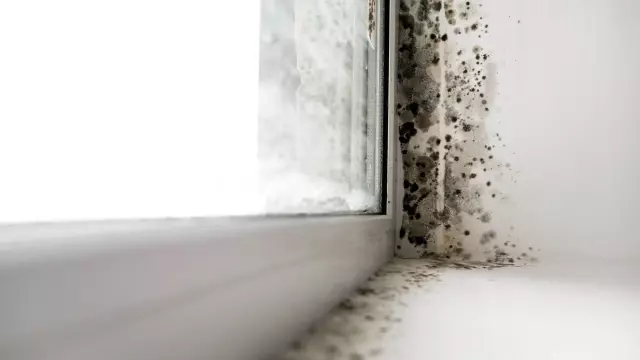
Black mold is a type of fungus that flourishes in damp, humid conditions or anywhere moisture accumulates due to condensation. It typically appears as dark green or black spots and patches, commonly found lingering around bathtubs, tile grout, and windowsills.
'In bathrooms, it can develop when moist air from showers and baths meets cooler surfaces, and condensation builds up,' explains Richard Hill, Tile Expert at Waxman Ceramics. 'Grout and silicone can be particularly susceptible because moisture can sit around the edges of the tiles for extended periods.'
If you notice dark marks beginning to appear on your grout, it is crucial to address them immediately. Experts recommend using a dedicated bathroom mold remover and following the manufacturer's instructions rather than blindly grabbing harsh chemicals that could potentially erode or damage your grout and sealant.
3 Telltale Signs of Black Mold and How to Fix Them
1. Damaged or Discolored Grout
Because mold has a tendency to grow deep beneath grout, tiles, and surface seals, simple routine cleaning is often insufficient to stop it from returning. If your grout shows visible signs of cracking, wear and tear, or permanent discoloration, it is often a dead giveaway that black mold is thriving underneath.
'Damaged grout can be harder to clean thoroughly, as any gaps or micro-cracks allow more moisture to stick and foster black mold growth,' Hill notes. When grout reaches this state, scrubbing won't solve the root problem; instead, you should scrape out and replace the damaged, cracked grout altogether. Additionally, inspect the silicone sealant around your bathtub and shower enclosure. If it is breaking down or turning black beneath the surface, strip and replace it.
2. Persistent Wet Tiles and Surfaces
It is standard practice to leave a door or window open after a hot shower to let the room air out. However, lingering moisture can quickly foster mold colonies in high-humidity spaces. Make it a daily habit to wipe down wet tiles and shower corners immediately after use.
'You don't need to dry every single tile in the bathroom, but removing excess water from the specific zones that stay wet can help keep mold at bay,' advises Hill. Furthermore, ensure that your shower curtain is fully pulled open so it can dry evenly rather than bunching up and trapping moisture in folds.
Addressing condensation promptly is equally vital. If your tiles remain coated in water droplets long after your shower, your bathroom lacks sufficient ventilation. Always run your extractor fan—and leave it on for at least twenty minutes post-shower—or consider investing in a high-performance dehumidifier to extract ambient moisture from the air.
Protecting Your Home Long-Term
Combating bathroom mold requires vigilance, particularly during seasonal shifts. By keeping an eye out for damaged grout, wiping down wet surfaces, and managing room humidity effectively, you can safeguard your living space against harmful spores and maintain a clean, healthy home environment.
Comments (0)
Sign in to join the conversation.Sign in
Loading comments...