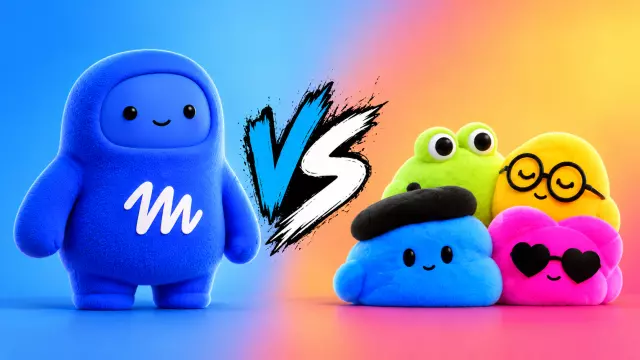
Meta Muse vs. ChatGPT Dots: A Comprehensive Comparison of the New AI Agents
- Tags
- Meta
- Artificial Intelligence
- OpenAI
- Meta Muse
- AI Agents
- ChatGPT Dots
Introduction: Two AI Agents, Worlds Apart
If you blinked this month, you might think Meta and OpenAI launched essentially the same AI agent three weeks apart. On September 8, Meta launched Muse, a personal AI agent that gets its own dedicated cloud computer and keeps working on your tasks after you close the app. Twenty-one days later, OpenAI took the stage at DevDay 2026 in San Francisco and unveiled Dots — always-on AI agents inside ChatGPT, each running on its own cloud computer and browser.
While they sound remarkably similar on paper—both feature dedicated cloud computing environments, background capabilities, and third-party service integration—their real-world applications, pricing models, and target audiences are vastly different. Muse is free to start and tailored for everyday consumers and small businesses, whereas Dots begins at $100 per month, targeting professionals and enterprise developer teams.
Meta Muse At a Glance
Meta Muse is designed as a goal-first personal assistant powered by the Muse Spark model. Running inside the Muse Secure VM (a dedicated cloud environment with its own browser), it operates even after users close the application. It offers customizable avatars, communication styles, and a strict permissions system called Sentinel, which separates read and write access to protect user data.
Muse has rapidly expanded its ecosystem, introducing macOS app control, dedicated agent email addresses, smart glasses integration, and a physical companion device called Muse Charm. Furthermore, Muse supports a variety of integrations ranging from consumer platforms like Shopify and Stripe to enterprise small-business suites including Asana, Slack, QuickBooks, and Notion.
ChatGPT Dots At a Glance
OpenAI’s ChatGPT Dots take a parallel always-on architecture and apply it toward professional workspaces. Powered by GPT-6 Astra, each dot operates within its own cloud computer and browser to manage recurring workflows, research pipelines, and background tasks. Users can manage dots via ChatGPT on web, mobile, desktop, Slack, and Microsoft Teams, backed by extensive plugin ecosystems.
However, accessibility remains a major hurdle for casual users. Dots are locked behind OpenAI’s higher-tier subscriptions, starting with the Pro 100 plan at $100 a month, alongside business premium tiers. While highly powerful, they are engineered specifically for enterprise scalability and professional productivity.
Target Audience and Pricing Breakdown
The core divergence between Muse and Dots lies in monetization and demographics. Meta aims to democratize autonomous agents by offering Muse for free, ensuring ordinary consumers and small business operators can leverage background AI tasks without hefty upfront investments. OpenAI focuses on a high-end corporate audience willing to pay substantial subscription fees for deep workflow integrations, security compliance, and robust multi-agent team collaboration through ChatGPT Space.
Conclusion: Which AI Agent Should You Choose?
Ultimately, Meta Muse and ChatGPT Dots cater to entirely different use cases. If you want a cost-effective, versatile personal assistant to handle everyday errands and small-scale operations without breaking the bank, Muse is the clear winner. If you manage a corporate pipeline or require heavy-duty team automation within professional software frameworks, Dots justifies its premium pricing. Despite launching weeks apart with similar underlying concepts, these two AI agents are fighting for completely different futures.
Comments (0)
Sign in to join the conversation.Sign in
Loading comments...