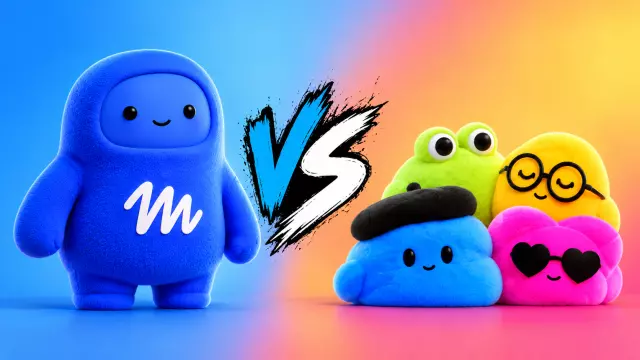
Meta Muse vs. ChatGPT Dots: Why These AI Agents Are Not as Similar as They Seem
- Tags
- Meta
- Artificial Intelligence
- OpenAI
- Meta Muse
- AI Agents
- ChatGPT Dots
In recent weeks, the artificial intelligence landscape has been dominated by two major announcements that, at first glance, appear nearly identical. Both Meta and OpenAI have unveiled new, always-on AI agent architectures that operate in dedicated virtual cloud environments. Despite these technical parallels, Meta Muse and OpenAI's 'Dots' serve fundamentally different purposes and target distinct user bases.
Architectural Similarities
At their core, both Muse and Dots are designed to act as autonomous assistants. They are granted access to a dedicated cloud-based computer and browser, allowing them to remain active and perform tasks in the background even after you close the primary application. Both systems share a commitment to asynchronous updates and human-in-the-loop workflows, ensuring that agents request approval before performing sensitive actions like password changes or financial transactions.
Meta Muse: Designed for the Individual
Meta has positioned Muse as a versatile tool for consumers and small businesses. Its approach is goal-oriented, where users define a mission, and the agent constructs a plan to achieve it.
- Accessibility: A major differentiator is that Muse offers a free entry tier, making it highly accessible to ordinary users.
- Integration: Muse is built into the Meta ecosystem, offering deep integrations with Facebook and Instagram business accounts, as well as productivity tools like Slack, Shopify, and QuickBooks.
- Versatility: Meta has expanded the Muse experience to include hardware support, such as the Muse Charm companion device and integration with Meta smart glasses.
OpenAI's Dots: Built for the Professional
OpenAI's Dots, powered by the GPT-6 Astra model, take a different strategic path. By building these agents directly into the ChatGPT platform, OpenAI is targeting professionals and enterprise teams who are already integrated into its ecosystem.
- Target Audience: Dots are currently locked behind paid tiers, including ChatGPT Pro and Business Premium, signaling a clear focus on commercial users.
- Workplace Integration: OpenAI is emphasizing collaboration, with agents designed to function within shared environments like Slack, Microsoft Teams, and ChatGPT Space.
- Specialization: While users currently get one primary dot, the company is already building out 'specialist' agents tailored for organizational workflows.
Which Should You Choose?
The decision largely rests on your current needs and budget. If you are an individual user or a small business owner looking to experiment with agentic AI without committing to high subscription fees, Meta Muse is the clear front-runner. Conversely, if you are already entrenched in the ChatGPT Professional ecosystem, Dots offer a seamless, workflow-integrated experience that is optimized for team efficiency and enterprise-grade security. While both are built on remarkably similar concepts, they are distinct tools optimized for different ends of the user spectrum.
Comments (0)
Sign in to join the conversation.Sign in
Loading comments...