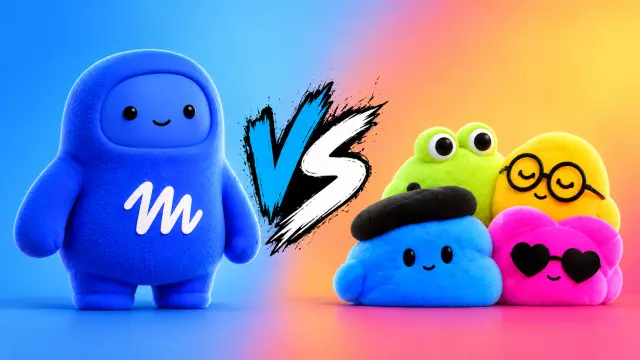
Meta Muse vs. OpenAI Dots: Decoding the New Wave of Autonomous AI Agents
- Tags
- AI
- Artificial Intelligence
- Tech Trends
- Meta Muse
- Automation
- OpenAI Dots
The Dawn of Autonomous AI Agents
Within a span of just three weeks, the landscape of artificial intelligence shifted dramatically with the back-to-back launches of Meta’s 'Muse' and OpenAI’s 'Dots'. To the casual observer, these appear as identical technological twins: both are 'always-on' agents, each equipped with its own dedicated cloud-based computer and a browser that continues to execute tasks even after you log off. However, scratch the surface, and it becomes clear that these tools are built for entirely different purposes and audiences.
Meta Muse: Designed for the Individual
Launched on September 8, 2026, Meta’s Muse is a goal-oriented personal AI agent. By running inside the 'Muse Secure VM', it creates a sandboxed environment where the agent can interact with the web to complete tasks—from finding customers to logistics management. Meta has made a bold strategy move by offering a free starting tier, signaling a commitment to reaching everyday consumers and small businesses. Its ecosystem extends to hardware like the 'Muse Charm' and integration with smart glasses, framing Muse as a personal companion device rather than just a software utility.
OpenAI Dots: Built for the Enterprise
In contrast, OpenAI’s 'Dots', unveiled at DevDay 2026, represent a push into professional and enterprise productivity. Powered by the advanced GPT-6 Astra model, these agents connect to over 4,000 apps via ChatGPT's robust plugin ecosystem. Unlike Muse, Dots are gated behind a $100-a-month Pro subscription, reinforcing their target demographic: developers, professional teams, and corporate organizations. OpenAI is currently integrating Dots into Slack and Microsoft Teams to ensure they function as collaborative 'team members' rather than solo personal assistants.
Comparing the Philosophical Divide
While both platforms share the architectural requirement that autonomous agents must seek human approval for high-stakes actions like sending money or changing credentials, their operational philosophies diverge:
- Meta Muse is designed as a personal AI helper. It has a customizable personality and a 'Feed' structure that feels more like an extension of your digital life. Its accessibility makes it an inviting platform for the average user.
- OpenAI Dots are positioned as specialized digital workers. By focusing on workspace integration and enterprise-grade security controls (such as 'Agent 365' compatibility), OpenAI is positioning Dots to sit directly within the existing workflows of businesses.
The Bottom Line: Which Should You Use?
If you are an individual looking to experiment with autonomous background tasks without committing to a high monthly fee, Meta Muse is the clear frontrunner. It is highly accessible and offers significant value for personal and small-business use. Conversely, if you are part of an organization already using enterprise-grade tools, the integration capabilities of OpenAI’s Dots make it a logical, albeit more expensive, choice for managing complex, recurring team workflows. While the technology behind these agents is similar, their long-term impact on your daily life will depend entirely on whether you are looking for a personal aide or an always-on employee.
Comments (0)
Sign in to join the conversation.Sign in
Loading comments...