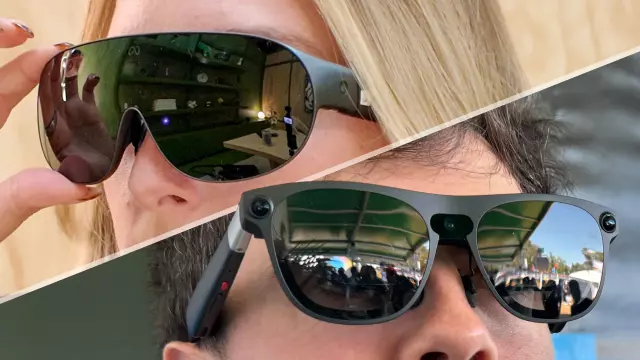
Meta VR Glasses vs. Xreal Aura: The Battle for Spatial Computing Supremacy
- Tags
- Tech News
- Meta
- Smart Glasses
- Virtual Reality
- Augmented Reality
- Xreal
- Spatial Computing
The landscape of spatial computing is shifting rapidly, moving away from bulky, tethered headsets toward more refined, glasses-based form factors. With the reveal of the upcoming Meta VR Glasses and the highly anticipated Xreal Aura, the industry is entering a new era. Both platforms share a similar design philosophy, utilizing tethered compute pucks to handle processing and battery power, yet they diverge significantly in their implementation, operating systems, and target use cases.
Comparing the Contenders
Meta’s new entry, arriving in spring 2027 with a price point of $1,299, aims to leverage the company’s deep experience in VR tracking. In contrast, the Xreal Aura, developed in collaboration with Google, is poised to launch earlier, bringing a focus on Android-based XR experiences. Both devices feature the powerful Qualcomm Snapdragon Reality Elite chipset, yet they offer distinct user experiences.
Where Meta VR Glasses Lead
Meta’s primary strength lies in its hardware refinement. During hands-on testing, the Meta glasses displayed exceptional clarity with no edge blurring—a common issue in current AR hardware. Furthermore, Meta’s integration of eye and hand-tracking is highly sophisticated, allowing users to select interface elements through simple, intuitive gazes. The ability for the sensors to track hand movements even when resting in a lap provides a more natural, low-effort interaction method compared to the current Xreal prototypes.
Where Xreal Aura Gains the Edge
The Xreal Aura benefits heavily from its partnership with Google. By utilizing the Android XR platform, it opens the door to a massive ecosystem of existing Android developers. Moreover, the integration of Gemini AI offers a more mature, real-world conversational AI experience compared to Meta’s Muse AI. Xreal’s established history of compatibility—working seamlessly with hardware like the Nintendo Switch 2—gives it a distinct advantage for users looking for a versatile entertainment companion.
The Hurdles Ahead
Both devices face a similar set of challenges: they are expensive, niche products that sit uncomfortably between being fully immersive VR headsets and lightweight smart glasses. With price tags potentially reaching or exceeding $1,000, consumers are left asking if these devices offer enough utility to justify the cost over a standard monitor or console. Whether these spatial computers can prove they are more than just a passing tech trend remains to be seen, but the competition is heating up, and consumers will ultimately decide which platform wins the race for their face.
Comments (0)
Sign in to join the conversation.Sign in
Loading comments...