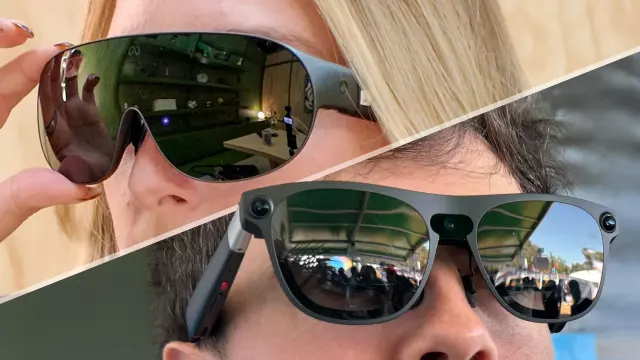
Meta VR Glasses vs Xreal Aura: The Ultimate Spatial Computing Showdown
- Tags
- Tech News
- Meta
- Smart Glasses
- Augmented Reality
- Xreal
- Spatial Computing
- VR Glasses
Introduction to the Next Era of Spatial Computing
The tech landscape is shifting dramatically away from bulky, isolating headsets toward sleek, wearable spatial computing devices. As tech giants and hardware pioneers race to redefine how we consume media, interact with augmented reality, and integrate AI into our daily routines, a major rivalry has emerged. Meta’s newly announced VR Glasses are set to lock horns with Xreal and Google’s collaborative Project Aura. While both devices leverage cutting-edge silicon and modern split-device architectures—tethering lightweight glasses to a pocket-sized compute and battery puck—they approach the future of computing from entirely different philosophies.
Hardware and Specifications Face-Off
Both Meta and Xreal rely on the powerful Qualcomm Snapdragon Reality Elite chipset to drive their spatial computing platforms. However, the implementation details vary. Meta's upcoming glasses, scheduled for a spring 2027 release at a price point of $1,299, feature a dedicated micro-OLED display certified for Dolby Vision, Dolby Color, and IMAX content. In contrast, Xreal’s Project Aura utilizes a prism-based Micro-OLED setup. Both devices share a field of view (FOV) of approximately 70 degrees, but user testing indicates that Meta's approach yields a significantly crisper image with less edge blurring than what is currently seen on the Aura.
Meta VR Glasses: Strengths and Weaknesses
Meta brings its extensive background in virtual reality and advanced sensor tracking to the table, and it shows. The Meta VR Glasses shine in several key areas:
- Superior Visual Clarity: Crisp displays with virtually no edge blurring, making media consumption exceptionally immersive.
- Advanced Tracking: Features 4x sensors for near one-to-one eye and hand tracking. Users can seamlessly navigate menus just by looking or lazily making hand gestures from their lap.
- Design Innovation: A bold, futuristic aesthetic that separates itself from traditional smart glasses.
On the downside, the $1,299 price tag makes it a substantial investment—costing double the Meta Quest 3. Furthermore, while the 70-degree FOV is impressive for lightweight glasses, dedicated VR enthusiasts looking for total isolation may find the experience lacking.
Xreal Aura: Strengths and Weaknesses
Xreal's Project Aura takes a slightly different ecosystem approach, heavily benefiting from its partnership with Google and the implementation of Android XR:
- Software Ecosystem: Access to Android XR means developers can easily port and build productivity apps, going far beyond simple gaming experiences.
- AI Integration: Leveraging Google's Gemini platform, the Aura provides real-time AI assistance that feels deeply integrated into daily tasks.
- Cross-Device Connectivity: Xreal has a proven track record of making its glasses compatible with various hardware, from traditional PCs to gaming handhelds like the Nintendo Switch 2.
Conversely, the Aura struggles with less precise gesture controls compared to Meta’s multi-sensor array, occasionally resulting in tracking lag. Pricing remains unconfirmed, but it is expected to hover near or above the $1,000 threshold.
Outlook: Which Platform Will Prevail?
With both devices still months away from widespread consumer availability, developers and early testers continue to evaluate their long-term viability. While Meta excels in hardware tracking and standalone VR refinement, Xreal and Google hold a distinct advantage in software flexibility and broader device compatibility. Ultimately, the success of these spatial computing glasses will depend on whether consumers are ready to adopt a tethered computing puck for everyday mobile workflows.
Comments (0)
Sign in to join the conversation.Sign in
Loading comments...