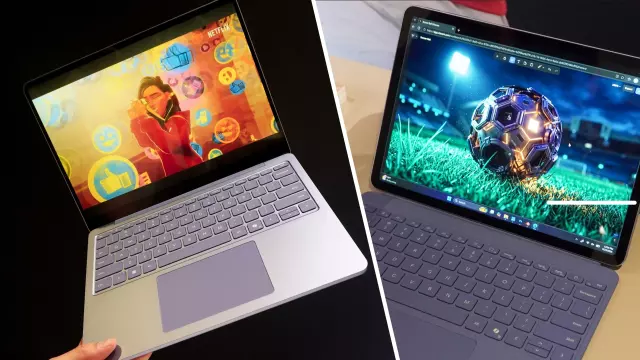
Microsoft's New Fanless Snapdragon X2 Plus Surface Pro & Laptop: A Direct Threat to MacBook Air
- Tags
- Tech Review
- Qualcomm
- Microsoft Surface
- Snapdragon X2 Plus
- MacBook Air alternative
- Fanless Laptop
- Windows 11
The New Era of Windows Portability
For years, Apple has held an uncontested monopoly on the 'thin, light, and silent' computing experience. The MacBook Air has served as the industry gold standard, consistently outperforming Windows competitors in thermal efficiency, sustained multi-app performance, and all-day battery endurance. However, the tide is shifting. Microsoft has officially unveiled the new Surface Pro 12-inch and Surface Laptop 13-inch, powered by the formidable Snapdragon X2 Plus architecture.
Launching on October 13th, these devices aren't just incremental updates; they represent a fundamental shift in how Microsoft approaches high-performance, fanless computing. In early hands-on testing, these machines suggest that the gap between Windows and macOS in the ultra-portable segment has finally closed—and may have even been bridged.
Thermal Mastery: Cold Under Pressure
The most striking achievement of the new Surface lineup is its thermal management. Both the Surface Pro and Surface Laptop have completely eliminated active cooling fans, relying instead on a sophisticated system of dense cooling pipes. Historically, fanless Windows laptops were plagued by thermal throttling and chassis temperatures that could become uncomfortable during heavy use. That is no longer the case here.
During rigorous testing, the hardware was pushed through a high-intensity creative pipeline. The workflow included drafting original sketches in real-time, importing those assets into Blender for full 3D geometry rendering, and finally transferring the results into Photoshop for complex multi-layered editing. Remarkably, all three resource-heavy applications remained open and active simultaneously without a single perceptible stutter.
Despite the heavy load, the aluminum chassis of the Surface Pro remained cool to the touch. This level of sustained performance without thermal penalties is a massive win for Microsoft and places these devices in direct competition with Apple's M-series silicon.
Powering the Future with Snapdragon X2 Plus
Under the hood, the Snapdragon X2 Plus architecture provides the raw muscle required for these fanless designs. The chip boasts up to 60% faster graphics rendering and features a dedicated NPU capable of 80 TOPS (Trillions of Operations Per Second) to handle on-device AI tasks locally.
This hardware enables a snappy, responsive experience that doesn't sacrifice power for silence. Whether it's juggling creative apps or managing AI-driven workflows, the efficiency of the X2 Plus ensures that the devices remain lean and quiet without the 'whimper' of pressure typically associated with fanless systems.
Hardware Refinements and Ergonomic Trade-offs
Visually and tactically, Microsoft has leaned into a premium aesthetic. Both devices feature upgraded 500-nit PixelSense displays that are vibrant and punchy, paired with responsive keyboards that offer satisfying tactile travel. The aluminum shells are available in a variety of playful colors, masking the professional-grade power within.
For the Surface Pro, the addition of haptic feedback to the Surface Pen is a standout feature. The pen creates a two-way conversation with the screen; for example, users can feel a 'rumble' when raking a digital zen garden or a 'snapback' sensation when aligning images in Photoshop. This adds a layer of sensory depth to the creative process that was previously missing.
However, there is one notable ergonomic concern. The Surface Pro 12-inch has modified its keyboard attachment. Unlike previous generations where the keyboard deck snapped magnetically to the bottom bezel for total stability, this new version connects strictly at the bottom spine. While this may streamline some aspects of the design, it raises questions about 'lapability'—the stability of the device when used on a lap rather than a desk.
The Final Verdict: A New Challenger Emerges
Priced at $1,149 for the Surface Pro and $1,199 for the Surface Laptop, Microsoft is positioning these devices directly against Apple's core lineup. While the Surface Pro remains the definitive choice for creators who value versatility, the Surface Laptop provides a more traditional, stable clamshell experience that balances power and portability.
By combining fanless operation, sustained thermal composure, and the efficiency of the Snapdragon X2 Plus, Microsoft has finally created a legitimate alternative to the MacBook Air. For the first time, Windows users can have a device that is as silent and cool as a Mac without compromising on the flexibility of the Windows ecosystem.
Comments (0)
Sign in to join the conversation.Sign in
Loading comments...