Pixel 11 Pro XL Astrophotography vs. $3,000 Professional Gear: Is Computational Photography Enough?
- Tags
- Google Pixel 11 Pro XL
- Astrophotography
- Computational Photography
- Camera Comparison
- Smartphone Photography
- OM SYSTEM
The Battle of the Night Sky: Smartphone vs. Professional Camera
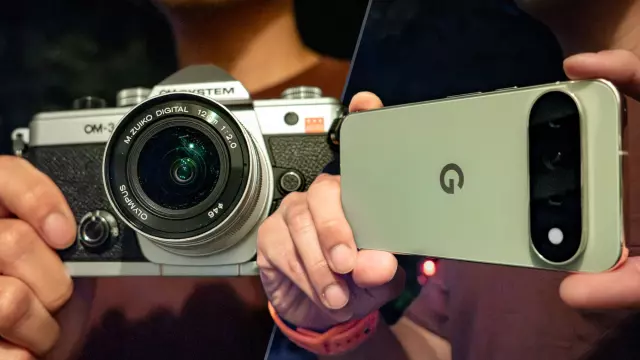
For years, Google's Pixel lineup has set the gold standard for mobile astrophotography. With the release of the Pixel 11 Pro XL, Google has refined its Night Sight technology, claiming speeds up to 4.5 times faster than its predecessors. But can a pocket-sized device truly challenge professional-grade gear? To find out, we took the Pixel 11 Pro XL out for a long-exposure test against the OM SYSTEM OM-3 Astro, a professional-grade mirrorless setup worth roughly $3,000.
Accessibility Meets Computational Power
The primary draw of the Pixel 11 Pro XL is its sheer ease of use. Astrophotography is notoriously difficult, requiring a deep understanding of manual exposure, ISO sensitivity, and manual focusing. The Pixel removes this barrier to entry entirely. Once the device is mounted on a tripod, its sensors detect the stability, and the shutter icon shifts to Astrophotography mode. With a single tap, the phone's AI engine manages the complex long-exposure processing, delivering a bright, clear image of the stars without the user needing to touch a single dial.
Performance Comparison: The Results
When comparing the raw outputs, the two devices excel in different ways. The Pixel 11 Pro XL produces images that are incredibly clean, bright, and optimized for immediate sharing. It manages to pull detail out of the night sky that is often invisible to the naked eye. However, the resulting images bear the hallmarks of heavy computational processing, often creating a slightly flattened, high-dynamic-range look that some purists might find artificial.
Conversely, the OM SYSTEM OM-3 Astro delivers a more atmospheric and authentic aesthetic. Its specialized sensor and large aperture lens (12mm f/2) yield a depth and contrast that software-based solutions have yet to perfectly replicate. The stars appear sharper and the color rendering in the sky is significantly more natural. However, the trade-off is the manual labor required; achieving this level of quality requires precision, time, and post-processing experience.
A New Era of Convenience
Perhaps the most impressive feature of the Pixel 11 Pro XL is its ability to generate a time-lapse video of the sky as it captures the primary long-exposure shot. While a professional setup requires an intervalometer and hours of editing in professional software like Adobe Lightroom or Premiere, the Pixel does this automatically, handing the user a completed, social-media-ready clip moments after the camera stops shooting.
The Final Verdict
While the OM SYSTEM OM-3 Astro undoubtedly wins when it comes to raw optical performance and dynamic range, the gap between it and the Pixel 11 Pro XL is narrower than ever. The Pixel proves that for the vast majority of hobbyists, the convenience and computational intelligence of a flagship smartphone are more than enough to capture stunning celestial images. Google has successfully democratized the night sky, making professional-looking astrophotography accessible to anyone with a tripod and a few minutes of patience.
Comments (0)
Sign in to join the conversation.Sign in
Loading comments...