The $2 Kitchen Item That Stops Boxelder Bugs From Swarming Your House This Fall
- Tags
- Home Improvement
- pest control
- boxelder bugs
- fall home maintenance
- DIY pest control
Understanding the Fall Boxelder Bug Invasion
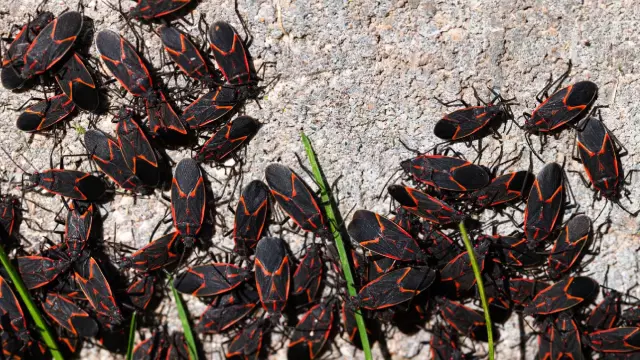
As autumn temperatures begin to drop, homeowners frequently notice cluster after cluster of red and black insects creeping along their siding, porch railings, and sunlit windows. These unwelcome visitors are boxelder bugs, and they emerge in massive numbers during the fall months, turning the exterior walls of houses into their personal sunbathing hotspots. While their sudden appearance can feel like a full-blown infestation, these bugs are largely harmless. They rarely bite unless handled roughly, do not spread diseases, and cannot chew through wood or structural materials.
However, once they gather on your siding in large numbers, their primary objective is simple: find tiny, microscopic cracks around windows, doors, or utility vents to crawl inside and hibernate comfortably for the winter. Stopping them before they infiltrate your living space is essential for a peaceful season.
The Common Mistake That Makes the Problem Worse
When faced with hundreds of boxelder bugs crawling all over your home's exterior, your first instinct might be to grab a broom, start swatting, or step on and crush them. It is extremely important that you avoid doing this.
Much like the notorious stink bug, squishing a boxelder bug triggers a natural defense mechanism: it releases a pungent, foul-smelling odor that can actually attract even more bugs to the area through chemical signaling. Worse yet, their bright red body fluid leaves stubborn, oily stains on carpets, curtains, upholstery, and light-colored home siding that are nearly impossible to wash out completely.
The $2 Kitchen Item That Stops Them Instantly
You do not need to hire expensive exterminators or purchase harsh chemical sprays to clear boxelder bugs off your house. The most effective weapon against them is already sitting right next to your kitchen sink: standard liquid dish soap.
To create a powerful yet safe DIY spray, mix two tablespoons of liquid dish soap into a spray bottle filled with warm water. Spraying this mixture directly onto active clusters of boxelder bugs breaks down their protective, water-repellent outer shells, causing them to dehydrate and perish within minutes.
Because this method relies on simple soap rather than toxic chemical pesticides, the solution is completely safe to use around pets, family members, and garden plants, leaving zero harmful chemical residue behind.
Prefer a Hands-Off, Non-Lethal Approach?
If you prefer not to kill the insects, you can safely relocation-proof your yard instead. Use a garden hose equipped with a steady water nozzle to blast clusters off your siding and onto the ground. While this won't eliminate them permanently, it disrupts their gathering spots without harming them.
Alternatively, you can gently sweep or vacuum them up using a wet/dry vacuum. Placing a nylon stocking inside the vacuum hose nozzle creates a handy trap so you can safely catch and release the bugs far away from your property.
How to Keep Boxelder Bugs From Invading Your Home This Fall
Once you have cleared out active clusters from your exterior walls, you must prevent the remaining insects from finding their way indoors. The easiest natural prevention method comes down to a simple three-step perimeter check:
- Seal the gaps: Grab a tube of exterior silicone caulk and seal up small cracks around window frames, door trim, utility pipes, and siding joints.
- Check the entryways: Inspect your window screens and door seals, replacing any torn mesh or worn weatherstripping that leaves a gap wider than a dime.
- Keep a backup handy: Keep a bucket of soapy water or a wet/dry vacuum nearby to quickly clear any stray bugs off your porch before they can slip through open doors.
Comments (0)
Sign in to join the conversation.Sign in
Loading comments...