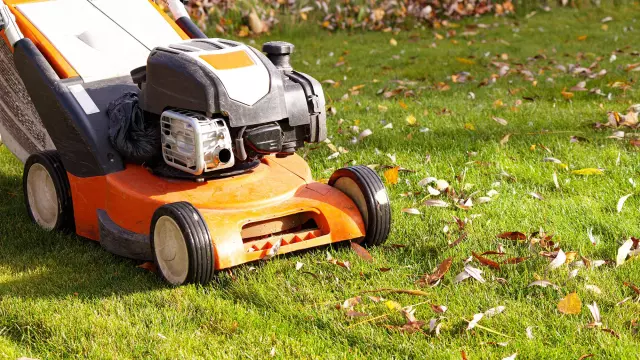
The Crucial Fall Mowing Mistake You Might Be Making (And How to Fix It)
- Tags
- Gardening
- lawn care
- Home Improvement
- fall maintenance
- lawn mower
As autumn leaves begin to fall and temperatures dip, your garden requires a shift in maintenance strategy. Many homeowners continue with their standard summer lawn care routine, but making a simple adjustment to your mowing height could be the difference between a resilient lawn in spring and one that struggles through the winter months.
The Common Fall Mowing Mistake
During the peak heat of summer, it is widely recommended to keep your lawn mower blades set high. Longer grass shades the soil, retains moisture, and protects the root system from scorching temperatures. However, as we transition into fall, this approach may no longer be appropriate for all lawn types. A common, yet avoidable, mistake is failing to adjust this height as the growing conditions change.
Warm-Season vs. Cool-Season Grasses
It is important to note that this 'fall rule' is not one-size-fits-all. The adjustment depends entirely on the type of grass you have:
- Warm-Season Grasses (Bermuda, Zoysia, St. Augustine): These varieties prepare for dormancy as temperatures cool. It is beneficial to gradually lower your mower blade during the fall. A slightly shorter cut can help reduce the buildup of thatch and minimize the risk of diseases, such as snow mold, during the dormant season.
- Cool-Season Grasses (Kentucky Bluegrass, Tall Fescue, Perennial Ryegrass): Conversely, these grasses are often in a state of active growth during the cooler months. For these lawns, you should generally keep the blades taller to encourage deep root development and energy storage, preparing the grass to bounce back vigorously in the spring.
Don't Scalp Your Lawn
Even when lowering the mower for warm-season grasses, moderation is key. 'Scalping'—or cutting the grass far too low—can severely stress the turf. Avoid going lower than 1.5 to 2 inches. A cut that is too aggressive weakens the root system, making it harder for the grass to survive the winter and delaying its recovery in the spring.
Remember the One-Third Rule
Regardless of the season, the 'one-third rule' remains the golden standard of lawn care. Never remove more than one-third of the total grass blade length in a single mowing session. Being too aggressive with your cuts, particularly as plants prepare for winter, can leave your lawn vulnerable and struggling to regenerate. Keep your mower sharp, stay consistent, and give your grass the best possible start for the coming year.
Comments (0)
Sign in to join the conversation.Sign in
Loading comments...