The Hidden Dangers of AI-Generated Food Photography in Restaurants
- Tags
- AI
- Technology
- Artificial Intelligence
- Marketing
- Digital Advertising
- Food Industry
In recent years, the rise of artificial intelligence has transformed everything from content creation to creative advertising. However, a less discussed but increasingly prevalent trend is the use of AI-generated images in the food industry. From local diners to global chains, establishments are increasingly turning to AI to showcase their menu items. While these images are often designed to look appetizing, they frequently fall short, presenting customers with bizarre, unappealing, or completely inaccurate representations of the food they intend to purchase.
The Problem with 'Believable' AI Food
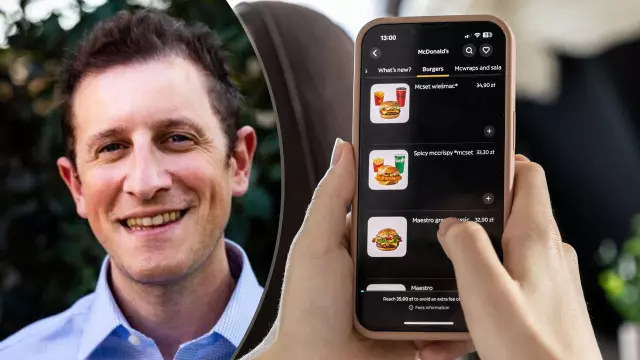
While comical errors like extra limbs on humans are easily spotted, the real danger lies in AI images that appear almost authentic. Michael Borting, Director of Marketing & Partnerships at Tastewise, an AI-powered food intelligence platform, explains why this is a significant issue. When a customer views a high-quality but AI-generated photo of a burger on a delivery app, they form a clear expectation. When the physical product arrives looking significantly different—with missing ingredients or skewed portion sizes—the trust between the consumer and the brand is fractured. This results in negative reviews, financial loss, and a tarnished reputation for the restaurant.
Why AI Gets Food 'Wrong'
AI models are trained on massive datasets of existing food photography. Because these models often have a bias toward highly polished, aesthetic imagery, they produce a 'rough average' of what a burger should look like, rather than what the specific establishment actually serves. Issues commonly include:
- Incorrect Proportions: Unrealistic patty sizes or topping ratios.
- Cultural Inconsistencies: Misrepresentation of bread types or regional cooking styles.
- Unnatural Textures: Overly uniform melting of cheese or artificial, glossy finishes that look unappetizing to a discerning eye.
The Regulatory and Ethical Grey Area
As the line between advertising and deceptive content blurs, legal questions arise. While it isn't always clear where the legal liability lies, false advertising laws often apply when customers are misled about the product they are purchasing. The burden of responsibility ultimately falls on the restaurant, which must ensure that any promotional material accurately represents the dish provided.
Best Practices for Restaurants
To maintain integrity and customer satisfaction, restaurants should:
- Use Authentic Data: Generate AI images based on real, house-specific recipes and actual reference photos of their own prepared food.
- Maintain Human Oversight: Always have human editors review and sign off on any AI-generated marketing assets.
- Know When to Use Human Photography: While AI can streamline operational tasks like menu updates for smaller independent shops, 'hero photography'—the primary images used to define a brand's visual identity—should still be captured by professional human photographers.
Ultimately, as AI technology becomes more deeply integrated into the food sector, transparency is key. Consumers should be able to trust that the image they click on reflects the meal they will receive, ensuring the future of food marketing remains both innovative and honest.
Comments (0)
Sign in to join the conversation.Sign in
Loading comments...