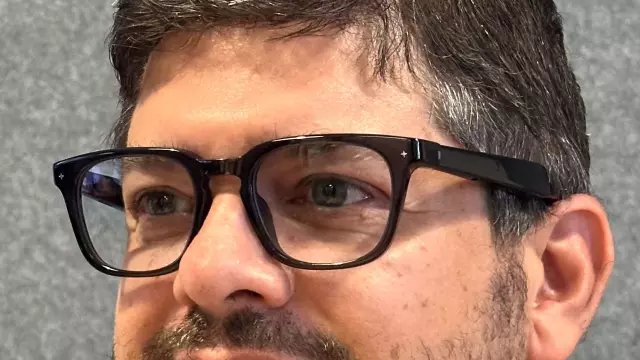
Vonder Smart Glasses: Redefining AI Wearables with 'Mind-Mapping' and Style
- Tags
- Wearable Technology
- Privacy
- AI
- Smart Glasses
- Vonder
- Tech Trends
In a market currently dominated by smart glasses that often face criticism for their intrusive features—and the resulting 'pervert glasses' stigma—a new player named Vonder is emerging with a bold, distinct philosophy. By stripping away intrusive cameras and focusing on a more integrated, background-focused AI experience, Vonder aims to solve both the privacy concerns and the 'nerd factor' that have hindered the mass adoption of wearable technology.
A New Philosophy for Smart Wearables
Unlike competitors from major tech giants that emphasize discrete tasks like recording short videos or taking photos, Vonder has built its glasses to be a silent, always-on assistant. The core innovation is what the company calls a 'Personal Memory Graph.' This feature acts as a 'mind map,' observing your daily interactions and decisions to provide holistic, personalized guidance over time. Rather than just setting an alarm or getting directions, the Vonder glasses look through your established preferences to offer context-aware advice.
Design and Hardware
One of the most immediate advantages of Vonder's approach is the hardware itself. By removing cameras and complex displays, the company has created an exceptionally lightweight frame that weighs just 30 grams—approximately 40% lighter than the current generation of Ray-Ban Meta glasses.
All necessary tech is housed within the temples, allowing for a wider variety of aesthetic choices. The glasses are launching with six distinct frame styles, including options like the 'Tribeca' and 'Palermo,' catering to users who want their tech to function like high-end fashion eyewear rather than bulky gadgets.
Privacy-Centric Interaction
Addressing the elephant in the room, Vonder prioritizes privacy. The device utilizes bone-conducting microphones to isolate the wearer's voice, filtering out ambient noise and other speakers. If a user chooses to record a conversation, they must manually press a physical button on the frame, which triggers a visible LED light, ensuring that surrounding individuals are aware of the recording status. This design choice serves as a clear counter-narrative to the 'creepy' reputation of other camera-equipped smart glasses.
The Future of Personal AI
While the current version of Vonder glasses excels at audio-based assistance, the company is already looking toward the future. Co-founder David Jiang has hinted at plans to integrate more advanced features, including waveguide displays, as the technology becomes sufficiently miniaturized. Furthermore, a subscription-based 'Memory' service offers tiered access to LLM integrations, allowing the glasses to route queries through models like Claude, ChatGPT, or Gemini based on the specific type of information needed. As the industry grapples with the ethics of always-on AI, Vonder's 'background assistant' model represents a potential shift in how we interact with technology in our daily lives.
Comments (0)
Sign in to join the conversation.Sign in
Loading comments...