What was missing from Meta Connect 2026? An apology
- Tags
- Tech News
- Privacy
- Meta
- Smart Glasses
- Mark Zuckerberg
- Meta Connect 2026
Introduction
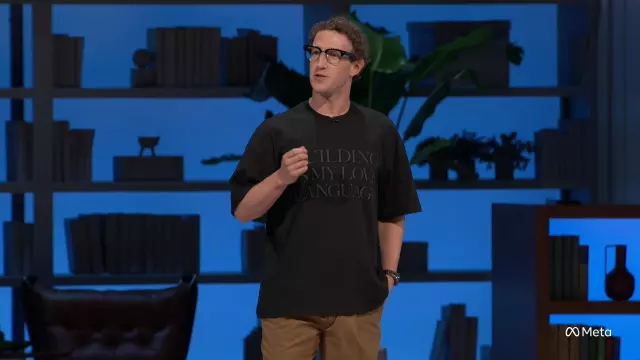
At the Meta Connect 2026 keynote, Mark Zuckerberg took center stage to announce an impressive array of new hardware. From advanced VR glasses aimed at challenging the Apple Vision Pro to minimalist audio-only smart glasses and a quirky pendant designed to house the company's new Muse AI, the event showcased Meta's relentless push into wearable technology. However, despite the flashy presentations and futuristic promises, a glaring omission hung heavily in the air: an apology.
The Growing Shadow of Smart Glasses Harassment
Throughout the year preceding the conference, public discourse surrounding smart glasses was dominated by controversy. Numerous reports surfaced detailing how individuals—predominantly women—were being secretly recorded and harassed in public spaces by users wearing Meta smart glasses. These invasive recordings frequently found their way onto Instagram and other social media platforms, where algorithms amplified the content for viral engagement.
The backlash reached a fever pitch over the summer, spawning a secondary market of individuals offering services to disable or obscure the mandatory recording light on Meta's eyewear. The reputation crisis grew so severe that privacy-focused browser DuckDuckGo even released tongue-in-cheek "smart glasses" consisting entirely of analog sunglasses with zero technology inside. Academic institutions, such as the University of Sydney, published research warning of the distinct harassment risks posed by camera-equipped wearables.
Corporate Silence and Inadequate Damage Control
While Meta did implement firmware updates designed to prevent the glasses from recording if the warning light was tampered with, and subsequently banned various violating accounts, the response felt reactive rather than proactive. When given the ultimate spotlight at Meta Connect 2026, Zuckerberg sidestepped the opportunity to address the victims directly or express genuine contrition for the societal fallout enabled by the company's hardware.
Instead, Zuckerberg merely reiterated existing safety measures during his keynote, emphasizing the built-in recording light and automated safeguards. In subsequent interviews, he acknowledged that better communication regarding privacy features was needed, yet minimized the scale of intentional hardware tampering, noting that bricked devices with compromised lights accounted for a fraction of a percent of total usage.
Booming Sales vs. Escalating Public Pushback
Despite the PR nightmares—which included local Australian governments banning smart glasses from public spaces and establishments in London considering similar restrictions—market demand remains robust. Counterpoint Research reported a 263% year-over-year surge in global AI glasses shipments during the first half of the year, with Meta commanding 94% of the market share. EssilorLuxottica reported selling millions of pairs, and projections estimate shipments could reach 25 million by 2030.
Yet, the intrusiveness of constant surveillance has alienated even institutional users, with agencies like ICE explicitly banning officers from utilizing smart glasses on duty. Critics argue that Meta continues to pay mere lip service to severe privacy concerns while profiting from form factors that inherently invite abuse.
Conclusion: A Missed Opportunity for Accountability
Tech history is replete with high-profile apologies following product or policy missteps—from Tim Cook addressing early map software flaws to other tech executives taking responsibility for surveillance overreaches. Mark Zuckerberg himself has previously offered apologies before congressional panels regarding online child safety. A simple, direct acknowledgment of the misuse surrounding Meta's wearables and sympathy for those affected would have gone a long way. Without true accountability, Meta risks defining the smart glasses era not by innovation, but by an enduring privacy deficit.
Comments (0)
Sign in to join the conversation.Sign in
Loading comments...