Why the iPhone Duo's Nano-Texture Display Is a Genius Design Choice
- Tags
- iPhone Duo
- Apple
- foldable phone
- Display Technology
- Smartphone Reviews
- Nano-Texture
The Nano-Texture Debate
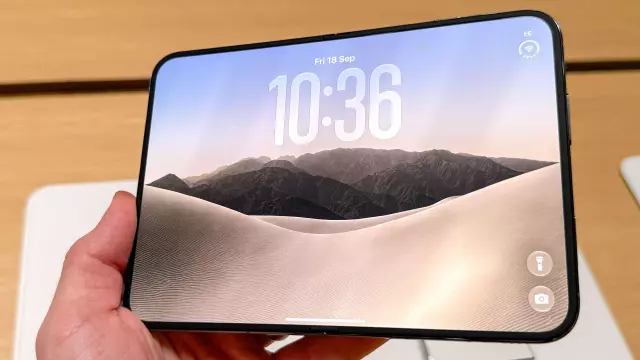
Since Apple’s reveal of the iPhone Duo, the device has captured the tech world's attention with its sleek, foldable form factor. However, a specific feature has ignited significant debate: the 7.6-inch main display's nano-texture coating. Early footage from various reviewers and social media content creators often highlighted a perceived 'washout' effect when the screen is viewed off-axis, leading some to label it a potential design flaw for such a high-end, expensive product. Having followed the discourse closely, my initial skepticism has evolved into appreciation as I’ve analyzed the functional reasoning behind this choice.
Reflection versus Diffusion
The core of the discussion lies in the fundamental difference between how glossy and matte displays handle ambient light. While we have grown accustomed to the punchy, high-contrast aesthetics of glossy Super AMOLED panels found on most modern smartphones, these screens are notoriously reflective. Like a mirror, they bounce back harsh light sources, causing glare that can make a device difficult to use outdoors or under bright office lighting. Apple’s decision to utilize a nano-texture coating shifts the strategy from pure reflection to light diffusion. By texturing the glass at a microscopic level, the display breaks up incoming light rays, drastically reducing glare and eye strain. While the trade-off is a subtle reduction in absolute color pop and a slight increase in perceived haze, the practical benefit of improved usability in varied environments is immense.
A Proven Technology
It is crucial to note that this is not an experimental attempt by Apple. The company has methodically integrated and refined its nano-texture technology across its professional hardware lineup. The M4 MacBook Pro, for instance, has demonstrated that this display tech is a game-changer for workers who need clear, readable screens even under challenging conditions. By bringing this proven, high-end display technology to the iPhone Duo, Apple is ensuring that the user experience remains consistent regardless of the environment. Far from being a gamble, this is a calculated choice to prioritize function and comfort on a device where screen real estate is at a premium.
The Final Verdict
Apple faces the challenge of convincing a base that has associated 'Retina' display quality with glossy, ultra-vibrant glass for nearly two decades. The move to a matte finish requires a shift in perspective. However, when you consider that the primary goal of the iPhone Duo is to be an all-day, portable power tool, the benefits of minimized glare far outweigh the aesthetic loss of traditional gloss. In my estimation, the decision elevates the iPhone Duo from a mere tech curiosity to a practical tool that users will actually want to use in the real world.
Comments (0)
Sign in to join the conversation.Sign in
Loading comments...