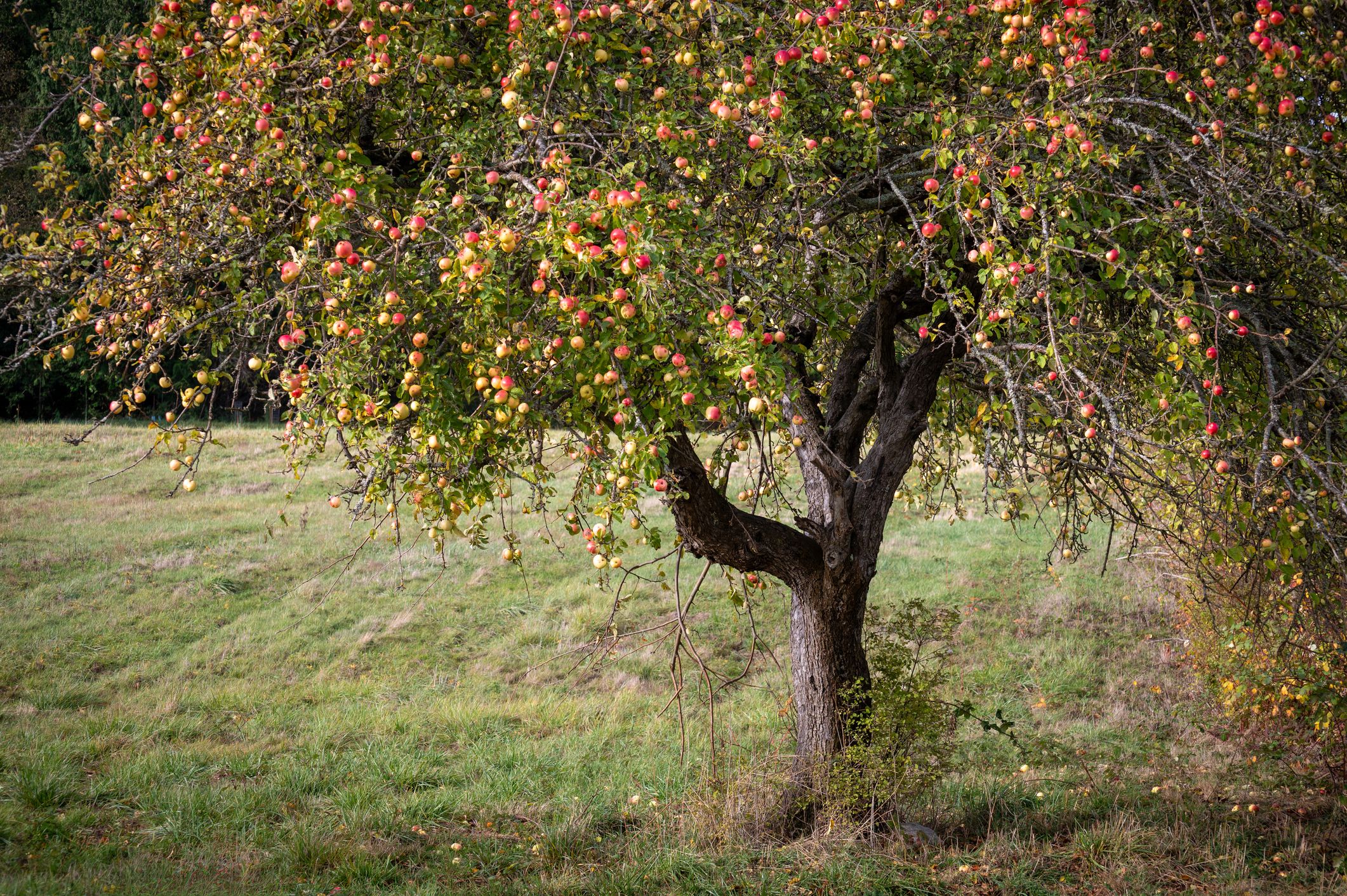
Windfall Fruit Law: Can You Legally Eat Apples That Fall Into Your Garden?
This post has no video
The Dilemma of the Overhanging Fruit Tree
Sharing a property line with a neighbor often brings a sense of community, but it can also lead to unexpected legal gray areas. One of the most common points of contention is the 'windfall'—fruit from a neighbor's tree that naturally drops over the fence and lands in your yard. While the 'finder's keepers' mentality is tempting, especially during a bountiful autumn harvest, the legal reality is far more restrictive than most homeowners realize.
Whether it is a shower of crisp apples or a scattering of plums, taking these fruits without permission can lead to surprising legal consequences. To help homeowners navigate this situation, we consulted legal and mediation experts to clarify ownership rights and the best ways to maintain neighborhood harmony.
Do You Own the Fruit That Lands on Your Property?
It is a common misconception that once a piece of fruit crosses the property boundary, it becomes the property of the landowner where it landed. However, legal experts emphasize that ownership is tied to the source, not the destination.
Stacy Kemp Ferrari, Founder and Managing Partner at Kemp Law Group, explains that the law regarding windfall fruit is quite clear-cut: the fruit belongs to the person who owns the tree. This remains true even if the branches are overhanging your fence and the fruit falls directly onto your lawn.
The Legal Risks of 'Free' Fruit
Picking up and consuming these fallen apples without the owner's explicit consent is not merely a breach of etiquette; it can be a legal offense. According to Ferrari, such actions could be classified as 'conversion'—a civil offense—and in more severe interpretations, it could even be considered theft. Essentially, taking the fruit is viewed as taking someone else's property, regardless of where it landed.
Managing the Nuisance: Maintenance and Responsibility
While the fruit belongs to the neighbor, having a yard littered with rotting apples can be a significant nuisance. Decaying fruit can attract unwanted pests, including rodents and insects, potentially creating a health hazard or damaging your own landscaping.
Legal experts suggest that while you are not legally required to return every single fallen apple, doing so is a gesture of good faith. Edward Susolik, CEO and President of Callahan & Blaine, PC, notes that returning the fruit or informing the neighbor creates a positive relationship. This 'good faith' approach is crucial if property disputes ever escalate to a formal level.
How to Address the Issue With Your Neighbor
If the volume of falling fruit becomes unmanageable, the best course of action is direct, calm communication. Approaching the situation as a collaborative effort rather than a complaint is key to avoiding a 'neighborhood war.'
Effective Communication Strategies
Nikkita Torres, a mediator and founder of Neutral Voice Mediation, suggests starting the conversation with a positive observation. A sample approach could be: 'Hey, I love your apple tree! I'm not sure if you're aware, but quite a few apples are falling into my garden.'
By framing the issue as a helpful observation, you are more likely to reach a mutually beneficial agreement, such as:
- Asking for Permission: Requesting the right to harvest and eat the fallen fruit.
- Coordinated Cleanup: Asking the neighbor to prune overhanging branches or help clear the debris.
- Written Recap: For persistent issues, Susolik recommends following up a verbal conversation with a polite text or email to summarize the agreement, ensuring there are no misunderstandings later.
Final Thoughts on Property Boundaries
Living in close proximity to others requires a balance of knowing your rights and exercising patience. While the law protects the tree owner's right to their harvest, open communication and a bit of kindness can turn a potential legal dispute into a friendly neighborhood exchange.