Beyond the Disappointing Burger: Why AI Food Photos Pose Hidden Dangers
- Tags
- Technology News
- AI
- Artificial Intelligence
- Food Tech
- Delivery Apps
- Marketing
When you purchase through links on our site, we may earn an affiliate commission. Here’s how it works.
Your usual array of AI-generated content isn’t just relegated to fake images of celebrities, altered historical figures, posters for films that don’t exist, and cats in a boxing pose. Unappealing AI-generated pictures also litter your favorite eating establishments. It’s become all too common to walk past your local diner, bakery, or bodega and lock eyes with an advertisement that makes their food look a bit odd and, even worse, unappetizing. We’ve even reached a point where some restaurants are turning to AI-generated images that may look more realistic than their off-putting counterparts, but create misleading expectations for customers that the actual dish simply doesn’t fulfill.
The Real Risks of AI Food Imagery
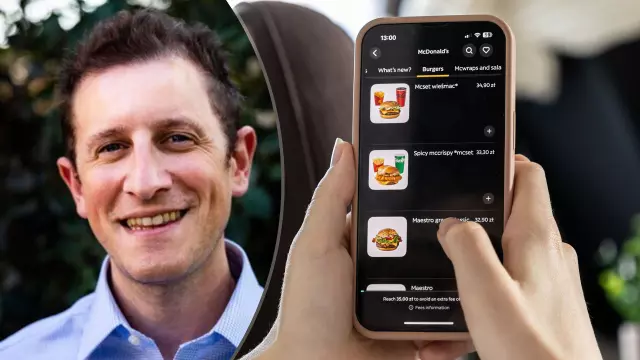
That problem goes beyond just someone being given a disappointing burger that looks nothing like what they saw on a menu. Inaccurate AI food images could misrepresent ingredients, alter portion sizes, and critically leave customers with food allergies questioning whether a meal is safe to consume. To understand how artificial intelligence is fundamentally transforming the way restaurants showcase their culinary creations, Tom's Guide spoke with Michael Bortinger, Director of Marketing & Partnerships at Tastewise, an AI-powered food and beverage intelligence platform.
Why Believable AI Photos Are More Dangerous
When asked why seemingly believable AI-generated food images are actually more hazardous than obviously bad or bizarre ones, Bortinger explained that extreme hallucinations usually act as their own deterrent. 'A burger with three patties floating beside it would be posted online and laughed at, but nobody would genuinely expect to receive it,' he notes. However, it is much riskier if the output is believable because it sets an unrealistic expectation in the customer’s mind. Delivery app users cannot see the food being prepared; instead, they rely on photos to understand what to expect. If a burger arrives half the size with missing toppings, customers typically blame the restaurant rather than the app or the AI, directly resulting in bad reviews, lost business, and costly refunds.
How AI Misinterprets Culinary Dishes
AI models do not understand food in a human sense. Bortinger points out that outputs are based on the massive volume of food photography used to train the model, which usually skews toward overly photogenic aesthetics. Consequently, what you get is a rough statistical average of every good-looking burger the system has ever ingested unless the model is specifically trained on a restaurant's exact recipes, ingredients, and portion sizes.
Common AI Flaws and Legal Implications
AI models frequently struggle with proportions, cultural context, and specialized plating details. While minor styling polish has always existed in food advertising, inaccurate ingredient representations pose serious health hazards. If an AI falsely adds an ingredient, it could endanger customers with severe food allergies and intolerances.
Moving forward, industry experts stress that restaurants must maintain strict oversight over any digital assets representing their dishes, ensuring that convenience never compromises consumer safety and brand integrity.
Comments (0)
Sign in to join the conversation.Sign in
Loading comments...