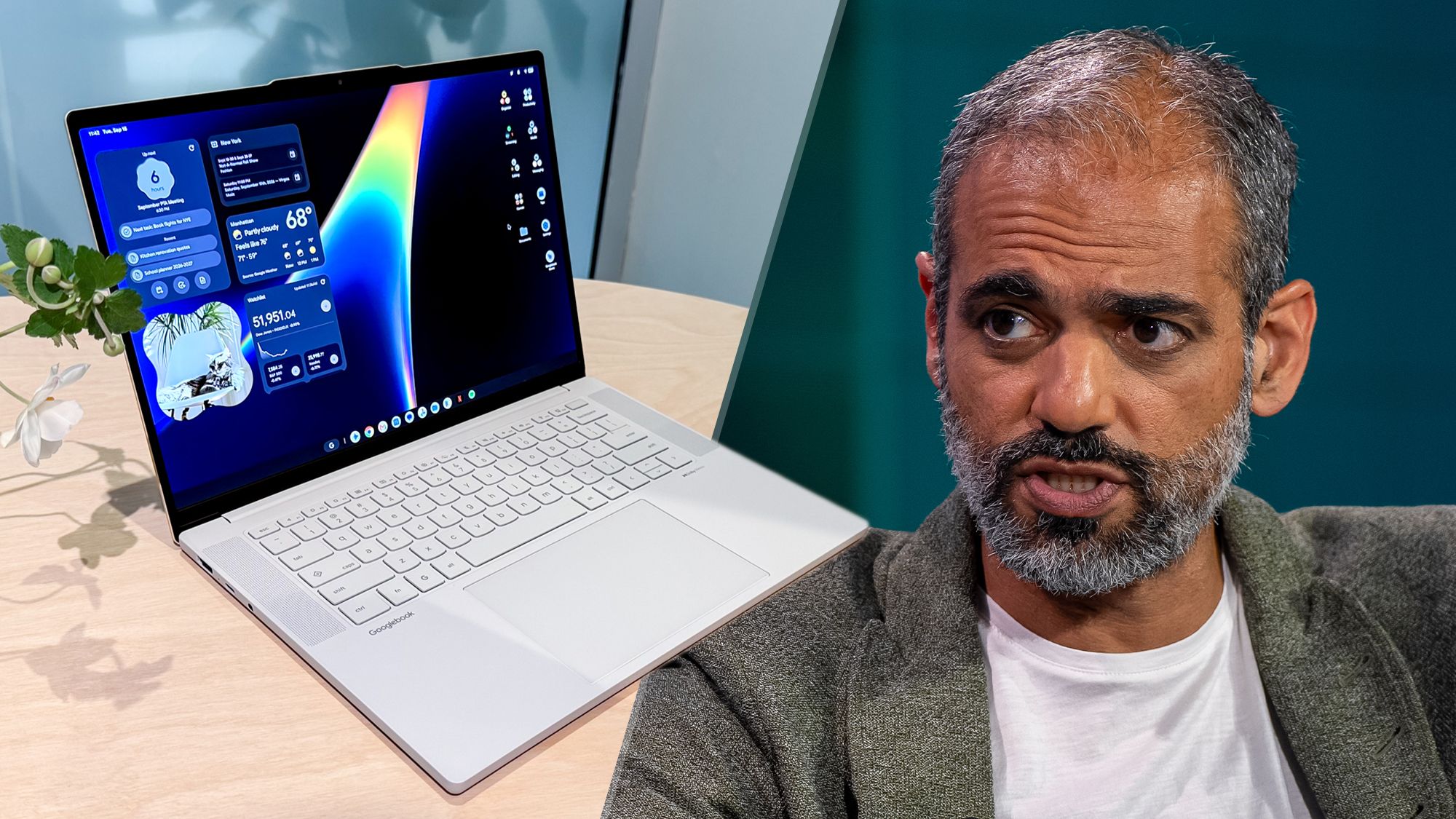
Beyond the MacBook: Inside Google's Ambitious 'Googlebook' Ecosystem
A New Era for Android Laptops
For years, the premium laptop market has been dominated by a clear binary: choose a high-end Windows machine or embrace the seamless, walled-garden elegance of Apple's MacBook. While Chromebooks have carved out a significant niche in education and budget computing, they have often been perceived as 'lightweight' alternatives. That is about to change. Google is introducing the Googlebook, a new breed of premium laptop designed to offer Android users a high-performance experience that rivals the MacBook Air and Pro.
Launching on October 4, the Googlebook isn't just a single device but a curated ecosystem of hardware from industry giants including Acer, Asus, HP, Dell, and Lenovo. With price points ranging from $899 to $1,299, Google is making a bold play for the premium segment.
What Exactly is a Googlebook?
It is tempting to view the Googlebook as simply a 'fancy Chromebook,' but according to Sameer Samat, president of the Android Ecosystem at Google, the distinction lies in the integrated software experience and hardware standards. A Googlebook is defined by a strict set of specifications: OLED touchscreens, the latest processors from Intel or Qualcomm (Snapdragon), a minimum of 16GB of RAM, and backlit keyboards.
The primary goal is to eliminate the friction between a user's smartphone and their computer. The experience begins at the first boot; the laptop connects to the user's Android phone for biometric authentication, automatically migrating apps, autofill passwords, and payment methods to create an instant, personalized workspace.
The 'Magic' of Seamless Integration
Google is aiming for the same 'it just works' magic that makes the iPhone-MacBook pairing so successful. Key features of this integration include:
- Fused File System: Photos taken on an Android phone appear instantly on the laptop without manual uploads.
- Cross-Device Handoff: A Gmail draft started on a phone will automatically pop up when the user opens the app on their Googlebook.
- Intelligent Browsing: The Chrome browser on the Googlebook identifies active tabs on the user's Android device and suggests them in the taskbar for immediate access.
Gemini AI: The Secret Weapon
While Apple focuses on hardware-software synergy, Google is leveraging its lead in Artificial Intelligence. Every Googlebook comes with Gemini Intelligence built-in. One of the standout features is 'Magic Pointer,' which allows users to shake the cursor while hovering over an element to ask Gemini for more information—essentially a desktop version of 'Circle to Search.'
Samat indicated that this is only the beginning. Google is working toward a future where Gemini doesn't just retrieve information but takes direct action on the device, such as controlling hardware settings or managing complex workflows across apps.
Choice vs. Uniformity
One of the most significant differences between the Googlebook and the MacBook is the philosophy of choice. While Apple controls every millimeter of its hardware, Google provides a diverse array of form factors. Users can choose between an Acer convertible for tablet-style versatility, a lightweight 2.2-pound Asus 14-inch for portability, or a powerful Dell XPS 13 with Snapdragon efficiency.
Adding to the visual appeal is the Glowbar—a strip of colorful LEDs on the lid. Beyond aesthetics, the Glowbar provides functional feedback, such as boot-up animations that indicate remaining battery life. Google is also opening an API for the Glowbar, allowing third-party developers to create unique visual notifications.
The App Ecosystem Challenge
The success of any laptop depends on its software. Google is moving beyond simply 'porting' Android apps. They are collaborating with developers to optimize software specifically for the desktop experience. Apps like WhatsApp, CapCut, Photoshop Lightroom, and Netflix are being specifically labeled in the Play Store as 'desktop-ready.'
Furthermore, for power users, the Googlebook includes a fully fledged Linux terminal, enabling the use of CLI tools like Quadcode and Codex, making it a viable tool for developers and engineers.
Can It Justify the Premium Price?
At $899 to $1,299, the Googlebook enters a competitive price bracket. However, Google believes that premium Android users—those owning devices like the Pixel 11 Pro or Galaxy Z Fold 8—are underserved in the laptop market. By combining top-tier OLED hardware, deep AI integration, and the freedom of choice across brands, Google is betting that Android fans are ready to pay for a laptop that finally feels like it was made for them.
Comments (0)
Sign in to join the conversation.Sign in
Loading comments...