iPhone 18 Pro Teardown: Variable Aperture Innovation and a Costly Repair Warning
Peeling Back the Layers of Apple's Latest Powerhouse
The launch of the iPhone 18 Pro and iPhone 18 Pro Max has sparked a wave of curiosity regarding what lies beneath the sleek titanium exterior. While Apple's marketing focuses on performance and AI, the teardown experts at iFixit have provided a transparent look at the internal architecture, revealing a mix of impressive engineering leaps and some concerning structural vulnerabilities.
The Variable Aperture: Engineering Marvel or Expensive Gimmick?
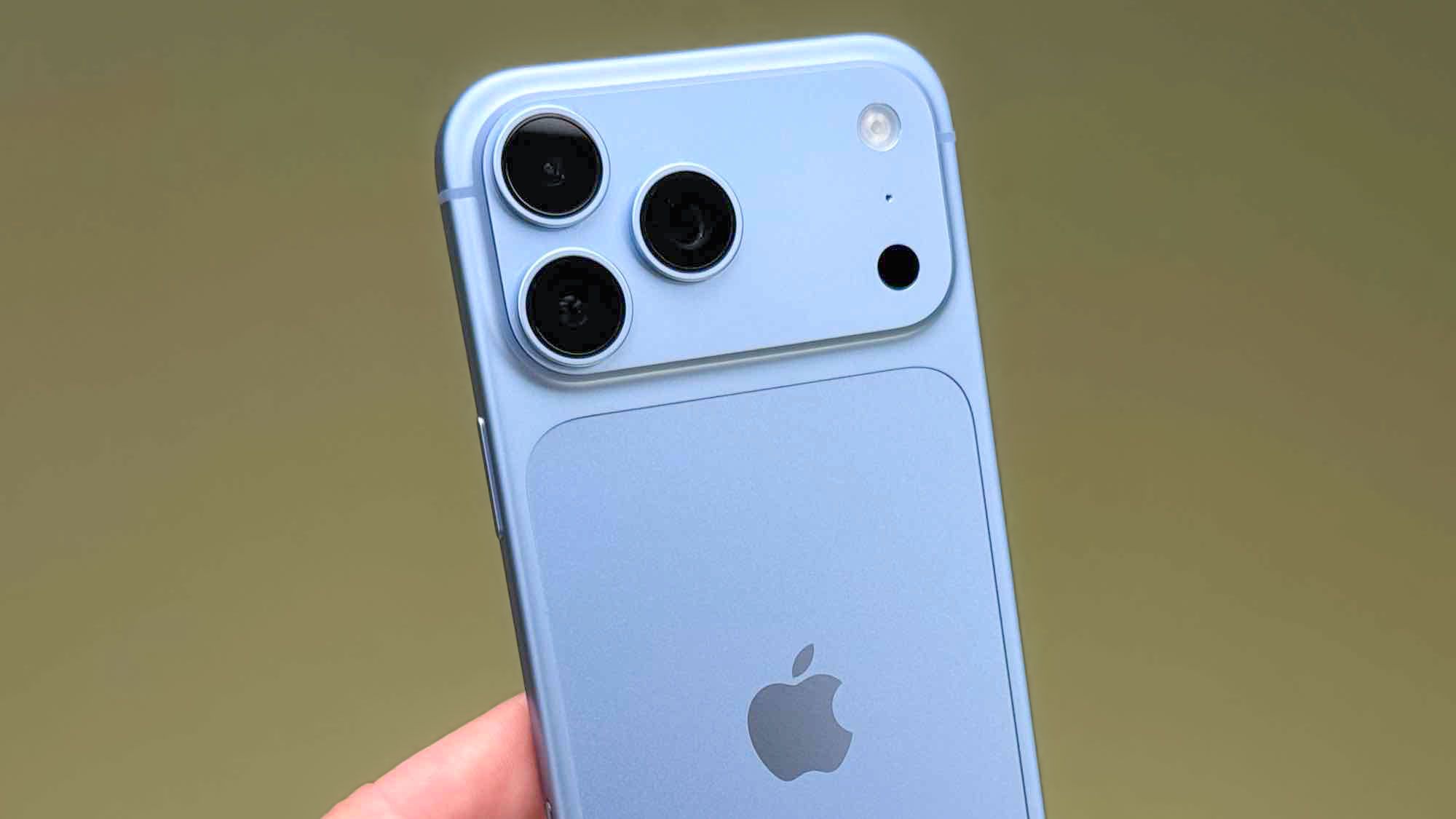
The most talked-about hardware addition this year is the variable aperture camera lens. This system allows users to physically adjust the amount of light hitting the sensor, offering more control over depth of field and exposure. However, iFixit has voiced skepticism, labeling the feature a "nice gimmick." Their reasoning stems from the relatively small size of the camera sensors (just over half an inch), which inherently limits the impact of a physical aperture compared to professional mirrorless cameras.
Beyond the optics, the real concern is reliability. The introduction of moving aperture blades creates a new point of failure. History shows that mechanical components in camera modules—such as those seen in the Samsung Galaxy S9—are prone to jamming. If these blades fail or get stuck, users are unlikely to find a cheap fix; the entire camera assembly would likely need replacement, a process that could cost upwards of $250 based on previous generation pricing.
Sleeker Design, Hidden Hardware
Apple continues its quest to minimize the Dynamic Island. Teardowns reveal that while Face ID isn't fully under-display yet, Apple has shifted the infrared (IR) camera to the left-hand side. To make this work without a glaring hole in the screen, Apple used a clever pixel-omission technique: every other pixel over the IR sensor is missing, allowing the light to pass through while remaining virtually invisible to the human eye.
Internally, thermal management has received a massive boost. The A20 Pro chip has been relocated to the exterior of the logic board to facilitate better heat dissipation. This is paired with a new vapor chamber that is roughly twice the size of the one found in the iPhone 17 Pro, spanning nearly the entire width of the chassis to maintain peak performance during intensive tasks.
The Repairability Dilemma: A Warning for DIYers
iFixit has assigned the iPhone 18 Pro a provisional repair score of 7/10, but the details reveal a frustrating reality. Most major repairs now require removing the front screen first—a high-risk operation. In a sample of four devices, three suffered a broken white plastic frame during screen removal. This frame is essential for maintaining water resistance and ensuring the display sits flush against the body; since it cannot be purchased separately, a broken frame effectively ruins the device's seal.
On a positive note, Apple has improved battery accessibility. The battery is held in place by 13 screws rather than heavy adhesives, though it still utilizes a specialized ionic adhesive for the tray itself. Conversely, the USB-C port remains a nightmare to replace, bogged down by excessive glue and screws, representing a step backward from the improvements seen in the iPhone 16 Pro.
Conclusion: Power at a Price
The iPhone 18 Pro is an absolute beast of a machine, blending cutting-edge thermal solutions with innovative camera hardware. However, the increased complexity of the variable aperture and the fragility of the display frame serve as a reminder: the more advanced the tech, the more precarious the repair.
Comments (0)
Sign in to join the conversation.Sign in
Loading comments...