Mac mini M6 Review: A Tiny Powerhouse with Massive Performance Gains
Introduction: Small Footprint, Giant Leap
Apple has once again redefined the boundaries of compact computing with the release of the Mac mini M6. While a glance at the chassis might suggest a lack of innovation, the internal transformation is nothing short of revolutionary. By integrating the cutting-edge 2nm M6 chip, Apple has managed to pack workstation-grade performance into a device that barely takes up any desk space.
For those who have been clinging to their M1-era machines, the Mac mini M6 represents the definitive reason to finally upgrade. It is not just a slight iterative bump; it is a comprehensive boost in processing power, graphics capability, and wireless connectivity that makes it a formidable alternative to full-sized desktops and even high-end laptops like the MacBook Neo.
Design and Connectivity: Refined Consistency
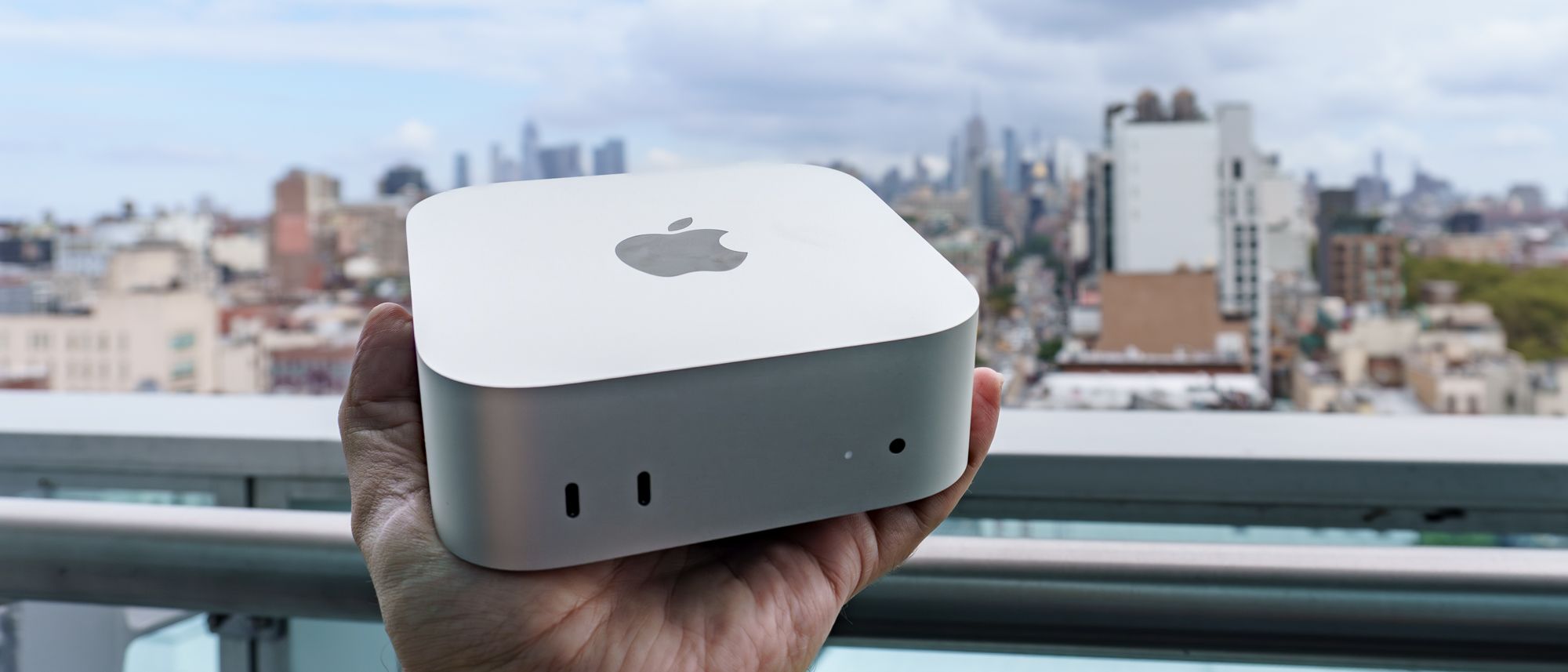
Maintaining a footprint of 5 x 5 x 2 inches, the Mac mini M6 retains the sleek, aluminum aesthetic that users have come to love. One of its biggest advantages over third-party mini PCs remains the internal power supply, which significantly simplifies cable management and makes the device highly portable for professionals on the move.
Port Layout and Upgrades
The front of the device features two USB-C ports and a 3.5mm headphone jack, designed for quick accessory connections and data transfers. The rear remains the primary hub for peripherals, boasting three Thunderbolt 4 ports (upgraded to Thunderbolt 5 on the M5 Pro model), an HDMI port, and the power connection.
A standout, though subtle, upgrade is the inclusion of a 2.5 Gigabit Ethernet port as the new standard. This ensures that users with high-speed wired networks can experience significantly faster download and upload speeds compared to the previous standard Gigabit Ethernet.
Performance Analysis: The M6 Advantage
The heart of this machine is the M6 chip, featuring a 12-core CPU and a 12-core GPU, complemented by a dual 16-core Neural Engine. In real-world multitasking—running dozens of Chrome tabs alongside resource-heavy applications like GIMP—the M6 operates without a hint of stutter.
Benchmarking the Power
Laboratory tests reveal a staggering jump in performance. In Geekbench 6 CPU benchmarks, the M6 achieved a single-core score of 4,708, outperforming the M4 Pro by nearly a thousand points. Multi-core results hit 21,405, representing a massive 44% increase over the base M4 chip.
For creative professionals, the M6 is a game-changer. In a 4K video transcoding test using Handbrake, the M6 finished the task in 2 minutes and 45 seconds, nearly two minutes faster than its predecessor. Furthermore, file copy speeds reached 6,371.5 MBps on units with 512GB SSDs, doubling the performance of the M4.
Connectivity and AI Integration
Beyond the CPU, Apple has introduced the proprietary N1 networking chip. This hardware shift moves Apple away from off-the-shelf Broadcom modules, resulting in superior wireless stability and speed. The Mac mini M6 now supports Wi-Fi 7, Bluetooth 6.0, and native Thread support.
Wi-Fi 7's Multi-Link Operation (MLO) allows the device to aggregate multiple bands simultaneously, reducing latency—a critical factor for local AI workloads and cloud computing. Additionally, the built-in Thread support allows the Mac mini to function as a smart home hub, integrating seamlessly into the Apple ecosystem.
Gaming on a Mini Mac
Gaming has historically been a weak point for the Mac mini, but the M6 changes the narrative. While not a dedicated gaming rig, the M6 can comfortably handle modern AAA titles. In tests with Cyberpunk 2077, the machine maintained a steady 56 fps at 1080p using dedicated Mac graphical presets.
Titles like Shadow of the Tomb Raider and Civilization VI easily exceed 60 fps at 1080p. For those willing to tweak resolutions, the Mac mini M6 provides a viable gaming experience in a form factor smaller than many dedicated gaming consoles.
The Downsides: Price and Design Quirks
Despite the performance gains, the Mac mini M6 comes with a higher entry price. Starting at $899, it is $300 more expensive than the base M4 model. This price hike is particularly jarring because it doesn't include an increase in base storage or memory.
Additionally, Apple has played it safe with the physical design. The power button remains awkwardly placed on the bottom of the chassis, requiring users to tilt the machine to turn it on. There is also a lingering desire for integrated Touch ID, a feature common in other Apple devices that would have added significant convenience to the Mac mini's user experience.
Final Verdict
The Mac mini M6 is the absolute best compact desktop Apple has ever produced. While the price increase is a point of contention, the leap in performance—particularly in AI tasks, video rendering, and gaming—justifies the investment for power users.
It remains a silent, cool-running workhorse that proves you don't need a massive tower to achieve professional-grade computing. Whether you are a creative professional or someone looking for a powerful entry point into the macOS ecosystem, the Mac mini M6 is an exceptional choice.
Comments (0)
Sign in to join the conversation.Sign in
Loading comments...