"Get this robot out of my house!" How my spouse sense-checks the gadgets I bring home
As a tech reviewer, I often fall into the trap of the early adopter mindset—prioritizing the 'cool factor' of a new gadget over its actual day-to-day utility. However, living with a spouse who values simplicity and reliability over cutting-edge gimmicks has turned out to be an essential, if sometimes harsh, reality check for every device I bring home. My wife acts as the ultimate sense-check for my professional reviews, ensuring I don't lose sight of what truly matters: whether a product actually improves our home life or simply adds unnecessary complexity.
The Reality of Smart Home Tech
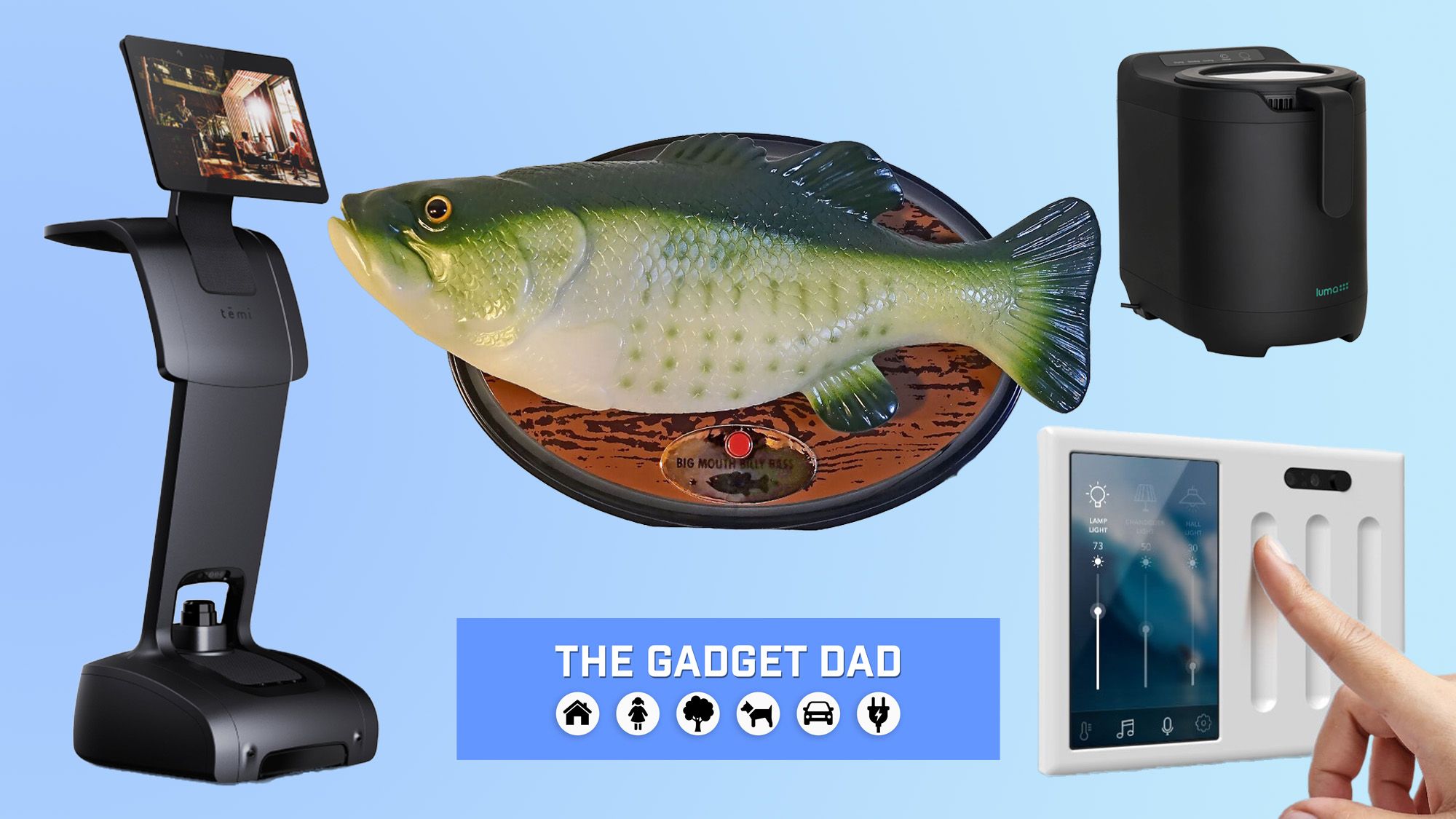
My home has served as a testing ground for everything from massive inflatable Halloween displays and high-tech robot lawnmowers to DIY projects like handmade lightsabers. While I am often captivated by the technology behind these devices, my spouse's focus remains on usability. A perfect example was the Brilliant smart light switch. While it featured a sleek touchscreen, voice control, and intercom capabilities, its core function—simply turning the lights on and off—was compromised by a UI that was inconsistent and required extra steps. To her, it was a $299 (now $599) frustration that failed at being a light switch. Eventually, it was replaced by a more practical, responsive Lutron unit that offered the benefits of smart scheduling without sacrificing the tactile reliability she expected.
Lessons in Functionality
Another notable failure was a $2,000 telepresence robot, essentially an iPad on wheels. While I saw the innovation, it proved to be a disruptive, oversized nuisance that frightened our pets and young child. It was quickly removed, highlighting a recurring lesson: if a smart device cannot perform the basic function of the 'dumb' appliance it replaces, it is rarely worth the investment. Similarly, our home has largely purged voice-activated smart speakers from common living areas due to privacy concerns and a lack of true utility beyond basic music playback.
What Actually Makes the Cut
It isn't all rejection; my spouse appreciates technology that integrates seamlessly without demanding attention. The Luma Indoor Composter, for instance, became a household favorite because it solved a real problem—managing food waste—without becoming a technical burden. It operates in the background, reducing odors and waste effectively. Likewise, smart festive lighting has been a welcome addition, allowing us to change themes and colors instantly without needing to manually adjust physical ornaments.
Ultimately, my wife’s skepticism serves as a reminder to all tech enthusiasts and reviewers: true innovation isn't just about features; it’s about how those features serve the user. If the latest 'must-have' gadget requires an instruction manual for simple tasks, it’s destined to be boxed up and shipped back.
Comments (0)
Sign in to join the conversation.Sign in
Loading comments...