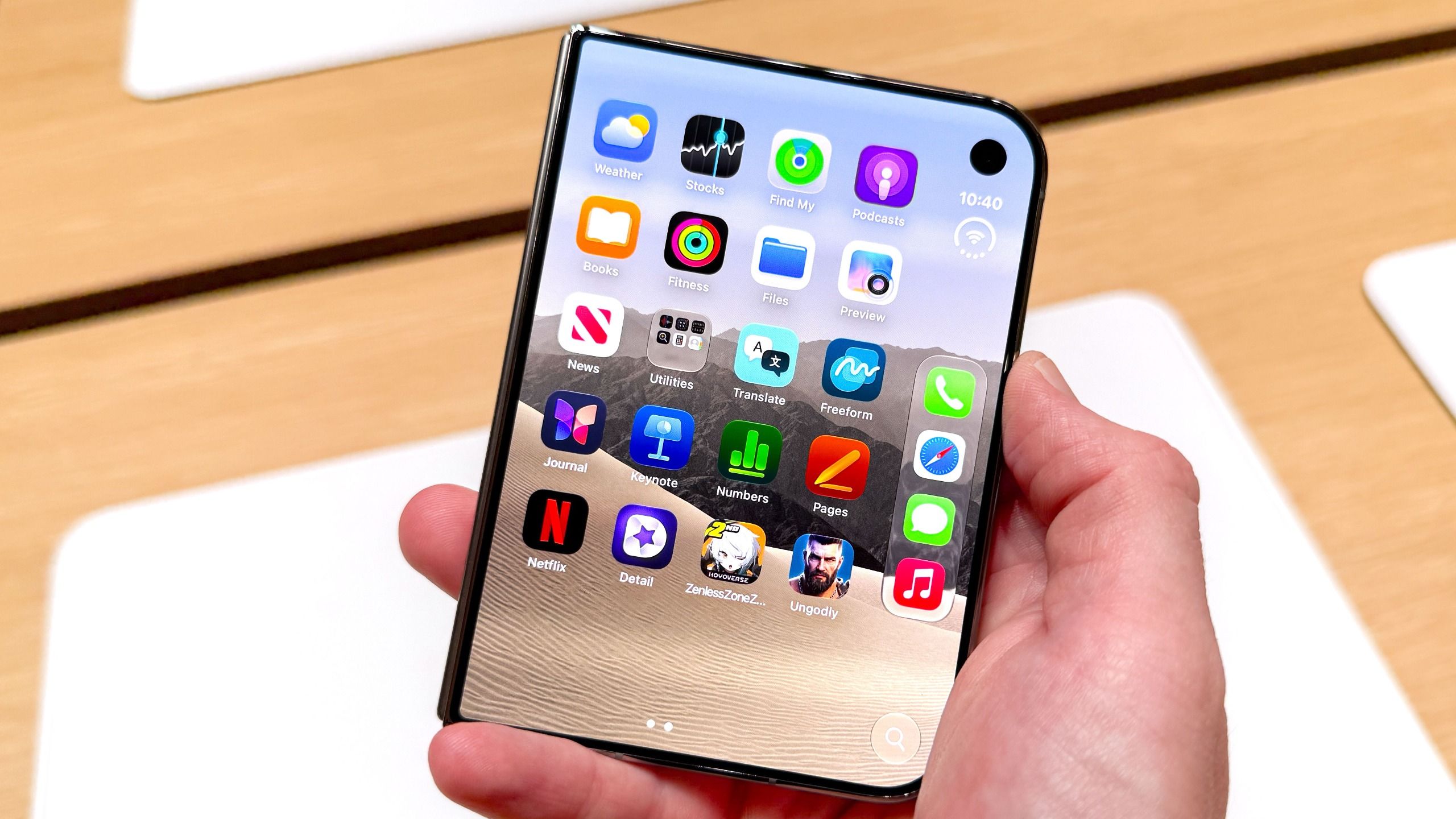
Hands-On with the iPhone Duo: 3 Critical Details You Won't Find in the Marketing Photos
This post has no video
Beyond the Hype: A First Encounter with Apple's Foldable
When Apple first unveiled the iPhone Duo at the 'Surprise and Shine' keynote, the tech world reacted with a mixture of excitement and skepticism. For many, including myself, the allure of a foldable device has always been tempered by the practical reality: is it truly better than carrying a compact phone and a small tablet separately? Entering a hands-on demo with a healthy dose of doubt, I spent 30 minutes with the $1,999 handset. While the technical specs are impressive, there are visceral, tactile elements of the iPhone Duo that simply cannot be captured in a 4K render or a press photo.
1. The Weight: A Masterclass in Balance
In the race to create the thinnest foldables, many manufacturers have inadvertently created devices that feel flimsy once unfolded. For example, the Oppo Find N5 achieves impressive thinness, but at the cost of a certain structural 'heft.' The iPhone Duo takes a different approach. Measuring 5.2mm when open and weighing 254 grams (8.96 ounces), it is objectively heavier and thicker than some of its Android rivals.
However, this is where Apple's engineering shines. The additional mass translates into a sense of durability and premium build quality. Much like the satisfying weight of a high-end tablet, the Duo feels substantial in the hand. It provides a reassuring grip that makes the device feel secure and sturdy, rather than like a piece of fragile glass that might snap under pressure. It is a balance of 'chunk' and elegance that only becomes apparent the moment you lift it off the display table.
2. Nano-Texture Display: A Productivity Powerhouse
While the industry focuses on the visibility of the center crease (which is present but minimal on the Duo), the real star is the inner display's Nano-texture finish. This isn't just a cosmetic choice; it's a functional upgrade. Apple claims the finish is scratch-resistant and significantly stiffer than competing foldable screens.
For users whose primary use case is productivity—reading spreadsheets, editing documents, or sketching—this matte finish is a game-changer. It expertly mutes aggressive overhead lighting and eliminates the harsh reflective glare common on glossy foldable screens. Whether you are reading an ebook during a commute or using an Apple Pencil for precision notes, the matte texture creates a paper-like experience that reduces eye strain and enhances overall usability.
3. The Aesthetic Trade-off: The Fingerprint Factor
Not every observation from a hands-on demo is a glowing endorsement. The iPhone Duo is offered in two primary colors: Star White and Night Sky. While the Night Sky variant looks stunning and flawless in professional photography, the reality of the polished Ceramic Shield back is that it is a fingerprint magnet. In a real-world environment, the dark finish quickly accumulates smudges and oil from your fingertips.
Interestingly, this issue is far less prominent on the Star White model. For those who prefer the sleek look of the Night Sky, a protective case will be an essential accessory to maintain that 'out-of-the-box' luster. Despite this trivial flaw, the device maintains a high level of perceived durability, boasting an IP68 rating for water and dust resistance, ensuring that the internal mechanics are as protected as the exterior is polished.
Final Verdict: A Stylish Entry Into Foldables
The iPhone Duo is more than just a screen that folds; it is a carefully calibrated piece of hardware. From the satisfying tactile 'snap' of closing the device to the way its passport-style form factor fits naturally in the palm, Apple has arrived in the foldable market with confidence. While the $1,999 price tag is steep, the combination of structural integrity and a superior matte display makes it a compelling proposition. As we move toward a full review, one thing is certain: the iPhone Duo is a device that demands to be experienced in person to be fully understood.