The Spouse Sense-Check: Why Skepticism is the Secret Ingredient to a Truly Smart Home
The Early Adopter's Blind Spot
For those who live and breathe technology, the allure of a new gadget is irresistible. As a professional tech reviewer, the mindset is often one of an 'early adopter'—someone willing to overlook a few bugs, a clunky interface, or a slight learning curve because the overall concept is groundbreaking. However, there is a dangerous gap between a device being 'cool' in a lab and being 'functional' in a living room.
This is where the 'spouse sense-check' becomes invaluable. While a tech enthusiast might be blinded by specifications and novelty, a skeptic focuses on the most critical metric: the friction of daily use. In any household, there is usually one person who asks the ultimate question: "Do we actually need this in our home?"
When Innovation Becomes an Obstacle
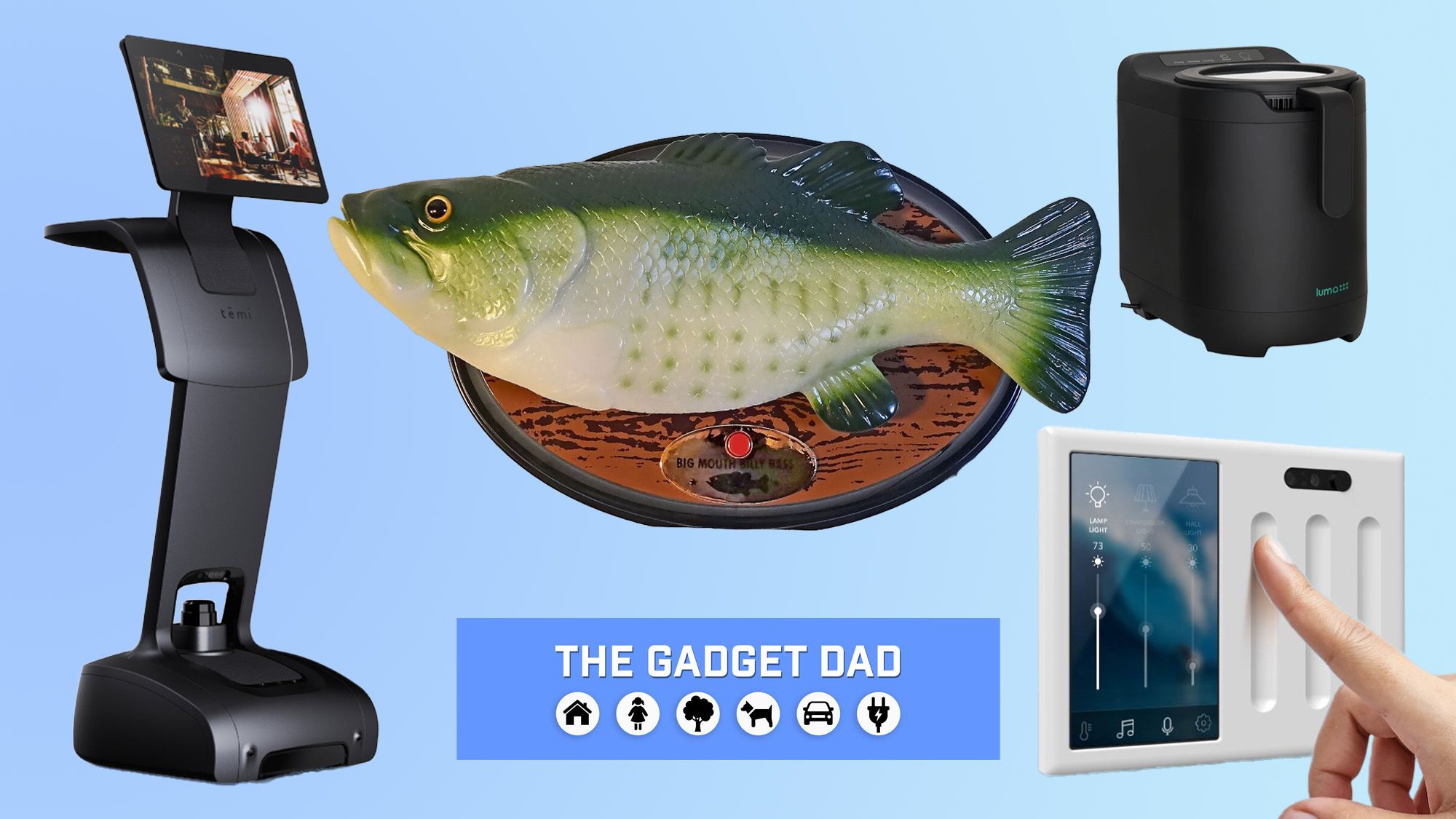
The divide between professional enthusiasm and domestic reality is best illustrated by the struggle with 'smart' replacements for 'dumb' staples. A prime example is the modern smart light switch. Imagine replacing a tactile, reliable physical switch with a high-end touchscreen controller. On paper, it's a triumph—integrated music control, Alexa compatibility, and a digital photo frame all in one wall plate.
In practice, however, the simple act of turning on a light becomes a multi-step process: tap the screen, then slide a finger up or down. When the touch sensor lags or fails to respond, the innovation becomes a source of profound frustration. The desire to walk into a room and flick a switch without thinking is a fundamental human expectation that no amount of 'smart' features can replace if the basic utility is compromised.
The 'Robot' Problem: Utility vs. Intrusion
Not all home robotics are created equal. Some gadgets cross the line from helpful assistants to intrusive anomalies. Consider the high-end in-home robot—essentially a tablet on wheels designed to follow users for mobile video calls. While such a device might be a revolutionary tool for individuals with limited mobility, for a typical family, it can be an oversized nuisance.
Beyond the lack of clear necessity, these devices can disrupt the domestic ecosystem. A four-foot-tall rolling robot can be terrifying to a toddler or cause significant stress for a family pet. When a gadget creates more anxiety than it solves problems, it fails the sense-check. The verdict is often swift: if a device doesn't provide a clear, frictionless benefit, it belongs in the box, not the living room.
The Gold Standard: Invisible Technology
So, what actually passes the test? The gadgets that survive the skeptical gaze are those that provide tangible value while disappearing into the background. This is the essence of truly 'smart' technology: it enhances the home without demanding constant attention or changing basic human behaviors.
- Seamless Integration: Smart switches that look and feel like traditional switches but allow for scheduling and remote control.
- Problem-Solving Utility: Indoor composters that solve real-world issues (like pests and waste) without requiring a lifestyle overhaul.
- Atmospheric Enhancement: Smart holiday lighting that adds aesthetic value and versatility without complicating the process of decorating.
Conclusion: The Lesson for the Modern Consumer
The tech industry is often driven by hyperbolic marketing and the pursuit of the 'next big thing.' However, the true measure of a smart home device is not its feature list, but its ability to smoothly replicate or improve upon the 'dumb' devices it replaces. If a gadget adds friction to your daily routine, it isn't smart—it's just a novelty. The next time you're tempted by a shiny new piece of tech, remember the value of a skeptical second opinion. It might just save you from bringing a very expensive, very annoying robot into your house.
Comments (0)
Sign in to join the conversation.Sign in
Loading comments...