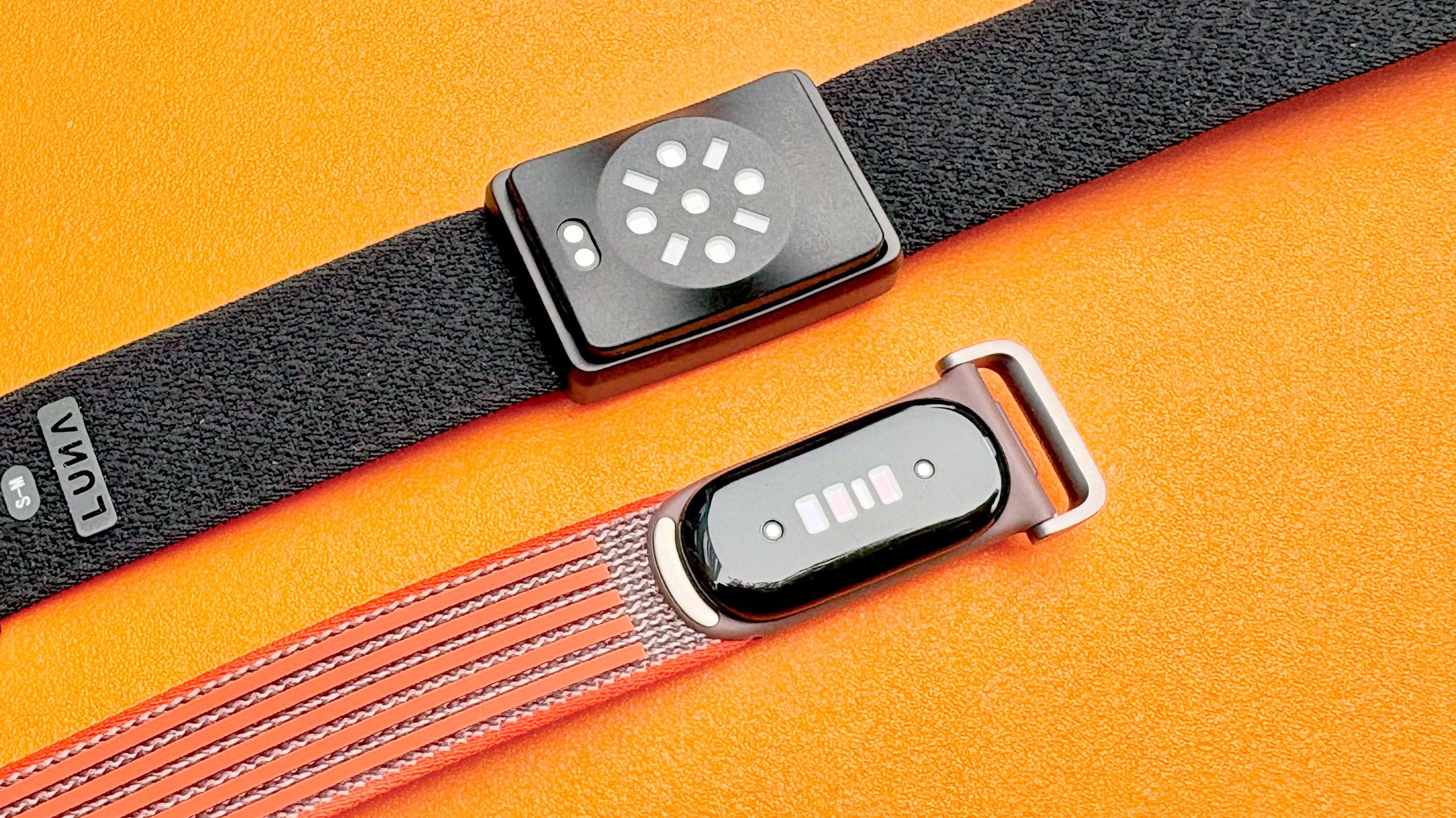
Luna Band vs Fitbit Air: Which Budget Screenless Fitness Tracker is Right for You?
The Rise of the Screenless Wearable
In an era where smartwatch screens often become another source of digital distraction, a new trend is emerging: the screenless fitness tracker. These devices prioritize raw data, comfort, and longevity over notifications and apps. Leading this charge in 2026 are the Fitbit Air and the Luna Band, two affordable alternatives designed for users who want deep health insights without the constant glow of an OLED display on their wrist.
While both devices aim to simplify the wearable experience, they take very different approaches to pricing, feature access, and user interaction. If you are deciding between these two budget-friendly options, here are the five critical differences you need to consider.
1. Upfront Investment vs. Long-Term Value
At first glance, the Fitbit Air appears to be the clear winner for the budget-conscious consumer. Starting at just $99, it provides an accessible entry point into the Google-backed health ecosystem. The Luna Band, by comparison, carries a higher initial price tag of $149.
However, the initial cost is only part of the story. When comparing these to other high-end screenless trackers like the Garmin Cirqa ($199), the Luna Band sits comfortably in the middle, offering a balance of premium build and affordability.
2. The Subscription Trap: Paywalls vs. Lifetime Access
The most significant divide between these two devices isn't the hardware, but the software business model. The Fitbit Air utilizes a "freemium" model. While basic tracking is free, many of its most advanced health analytics are locked behind Google Health Premium, which costs $9.99 per month or $99 annually.
The Luna Band takes a disruptive approach to this industry standard. Luna guarantees that all of its features—including personalized AI-driven health insights—are completely subscription-free for the entire life of the device. For users who despise monthly recurring fees, the $50 extra spent upfront on the Luna Band quickly pays for itself by eliminating the need for a monthly subscription.
3. Battery Endurance: Who Lasts Longer?
One of the primary benefits of removing the screen is the massive gain in battery efficiency. The Fitbit Air is impressive, offering up to seven days of juice on a single charge. However, the Luna Band pushes this further, claiming a battery life of up to ten days.
This extended endurance makes the Luna Band more suitable for travelers or those who prefer a "set it and forget it" approach to their health data, reducing the anxiety of finding a charger every week.
4. Form Factor: Comfort and Portability
Where the Fitbit Air truly shines is in its physical design. It is engineered to be nearly invisible on the wrist, weighing in at approximately 14 grams. Its narrow strap and compact housing make it the ideal choice for users who find traditional trackers bulky or uncomfortable during sleep.
The Luna Band is slightly more substantial, weighing approximately 26 grams. While still lightweight compared to a full-sized smartwatch, it is nearly double the weight of the Fitbit Air. If your primary priority is a "barely-there" feel, the Fitbit Air is the superior choice.
5. User Experience: Haptic Feedback and Notifications
Since neither device has a screen, they rely on haptic feedback (vibrations) to communicate with the user. The Fitbit Air uses haptics sparingly, primarily for its "Smart Alarm" feature, which wakes you up at the optimal moment in your sleep cycle.
The Luna Band integrates haptics much more deeply into the daily experience. Beyond alarms, it provides vibrating alerts for health milestones, app notifications, and "movement nudges" that remind you to stand up or stretch. This makes the Luna Band feel more like an active coach on your wrist, whereas the Fitbit Air acts more as a passive data logger.
Final Verdict: Which One Should You Buy?
The choice between the Luna Band and the Fitbit Air comes down to your personal priorities. If you want the lightest possible device and the lowest possible entry price, the Fitbit Air is an excellent choice, provided you don't mind potential subscription costs for advanced data.
However, if you value long-term cost certainty, extended battery life, and a more interactive coaching experience through haptics, the Luna Band is the smarter investment. By removing the paywall, Luna offers a transparent ownership experience that is increasingly rare in the wearable tech market.
Comments (0)
Sign in to join the conversation.Sign in
Loading comments...