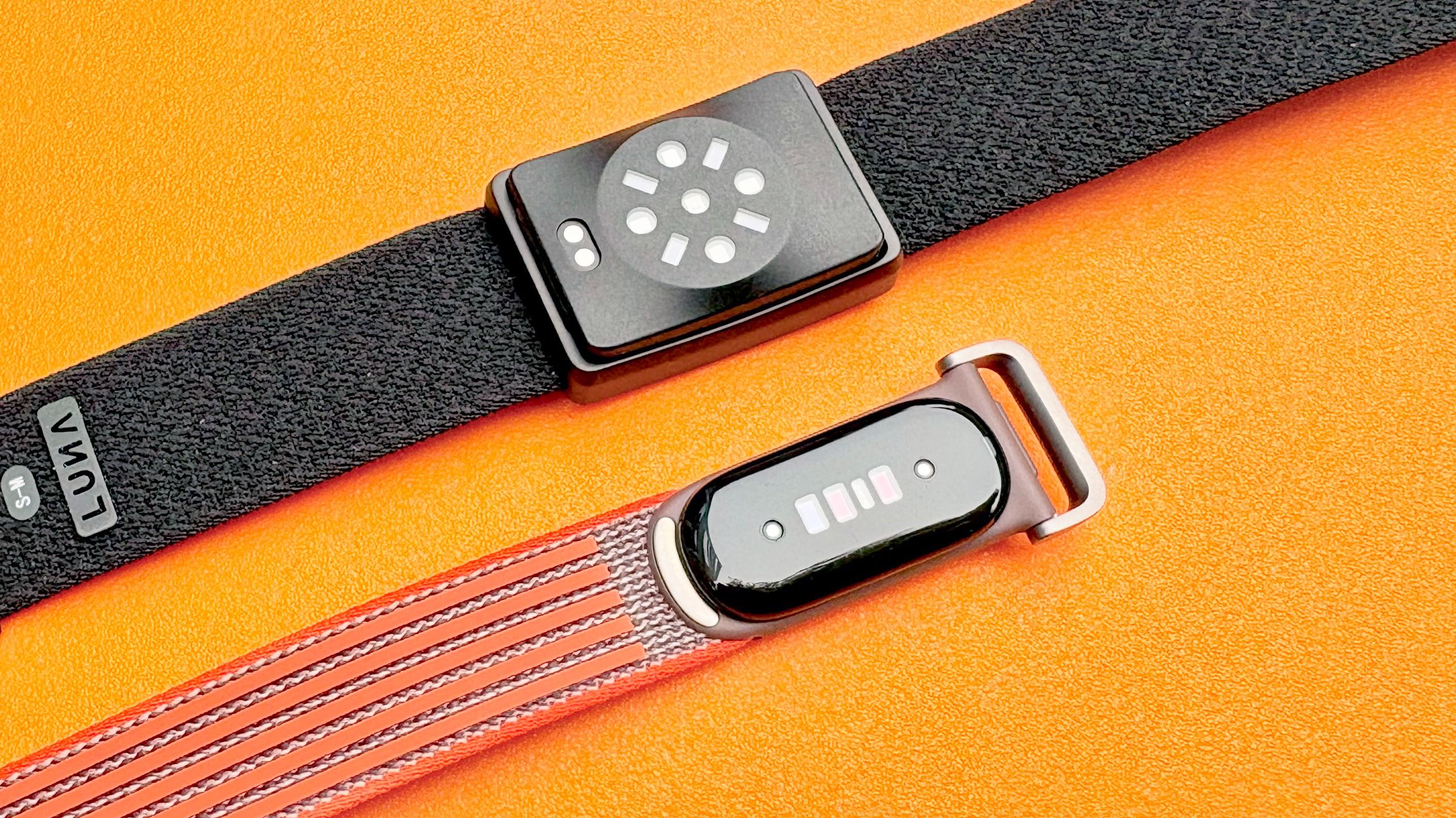
Luna Band vs Fitbit Air: Which Affordable Screenless Fitness Tracker Wins in 2026?
The Rise of the Screenless Wearable
In the evolving landscape of wearable technology, a new trend has emerged: the screenless fitness tracker. Designed for those who want deep health insights without the constant distraction of a wrist-mounted display, these devices prioritize comfort, battery longevity, and seamless data collection. Among the top contenders in this category are the established Fitbit Air and the ambitious newcomer, the Luna Band.
While both devices target the budget-conscious consumer, they offer vastly different philosophies regarding pricing, feature access, and user interaction. Here is a comprehensive breakdown of the five key differences you need to know before choosing your next health companion.
1. Upfront Cost vs. Long-Term Value
At first glance, the Fitbit Air appears to be the more accessible option. With a starting price of $99, it is one of the most wallet-friendly trackers on the market. In contrast, the Luna Band enters the fray at $149, creating a $50 price gap at the point of purchase.
However, the initial price tag doesn't tell the whole story. When comparing these to other premium screenless options like the Garmin Cirqa ($199), the Luna Band positions itself as a middle-ground alternative—more capable than the basic Air, but more affordable than the high-end Garmin.
2. The Subscription Battle: Paywalls vs. Freedom
The most significant point of contention between these two devices is the 'subscription trap.' Many modern fitness trackers entice users with a low entry price, only to lock advanced health metrics behind a monthly paywall.
The Fitbit Air follows this model. To unlock the full potential of Google Health Premium, users must shell out $9.99 per month or $99 annually. The Luna Band takes a radically different approach. Luna explicitly guarantees that all its features—including its personalized AI-driven health insights—are subscription-free for the entire life of the device. For the user who hates recurring monthly bills, the Luna Band's $50 premium upfront is a small price to pay for lifetime access.
3. Battery Endurance: Days vs. Weeks
One of the primary advantages of removing a screen is the drastic reduction in power consumption. The Fitbit Air offers a respectable seven days of battery life per charge. While sufficient for most, the Luna Band pushes this boundary further, boasting a battery life of up to ten days.
This puts the Luna Band on par with the Garmin Cirqa and makes it a superior choice for users who travel frequently or simply find the act of charging their wearables a chore. While the Fitbit Air is reliable, the Luna Band provides an extra three days of peace of mind.
4. Form Factor: Comfort and Weight
Where the Fitbit Air truly shines is in its physical design. It is engineered to be nearly invisible on the wrist, weighing in at approximately 14 grams. This is achieved through a narrower strap and highly compact internal components.
The Luna Band is notably more substantial, weighing roughly 26 grams. While still lightweight compared to a full-sized smartwatch, it is nearly double the weight of the Fitbit Air. For users with small wrists or those who plan to wear their tracker 24/7 (including during sleep), the Fitbit Air’s petite frame offers an unmatched level of comfort.
5. User Experience: The Role of Haptics
Without a screen to display notifications, both devices rely on haptic feedback (vibrations) to communicate with the user. However, the Luna Band integrates haptics much more deeply into its ecosystem.
The Fitbit Air uses haptics primarily for its 'Smart Alarm,' which wakes the user at the optimal point in their sleep cycle. Beyond that, the vibrations are minimal. The Luna Band, however, uses a comprehensive haptic system to deliver health alerts, app notifications, and alarms. It also features a 'nudge' system, which automatically vibrates to remind the user to stand up or move after prolonged periods of inactivity, making the device feel more like an active coach than a passive logger.
Final Verdict: Which Should You Choose?
The choice between the Luna Band and the Fitbit Air comes down to your priorities. If you value an ultra-lightweight design and the lowest possible entry price, the Fitbit Air is an excellent choice.
However, if you are tired of subscription models and want longer battery life paired with active haptic coaching, the Luna Band is the superior investment. By eliminating the paywall, the Luna Band offers a more honest value proposition for the long-term health enthusiast.
Comments (0)
Sign in to join the conversation.Sign in
Loading comments...