The Spouse Sense-Check: Why Your Partner is the Ultimate Smart Home Beta Tester
The Early Adopter's Blind Spot
For those who review technology for a living, the thrill of the 'new' often outweighs the practicalities of the 'everyday.' It is easy to fall into the early adopter's trap: overlooking a clunky interface or a strange quirk because the overall concept of a gadget is simply too cool to ignore. However, there is a significant difference between a device that is technically impressive and one that actually improves a home.
This is where the 'Spouse Sense-Check' comes into play. While tech enthusiasts are often blinded by specs and innovation, their partners frequently serve as the ultimate reality check. By applying a skeptical lens and a low tolerance for friction, they can determine whether a gadget is a genuine utility or just an expensive piece of digital clutter.
When 'Smart' Becomes a Burden
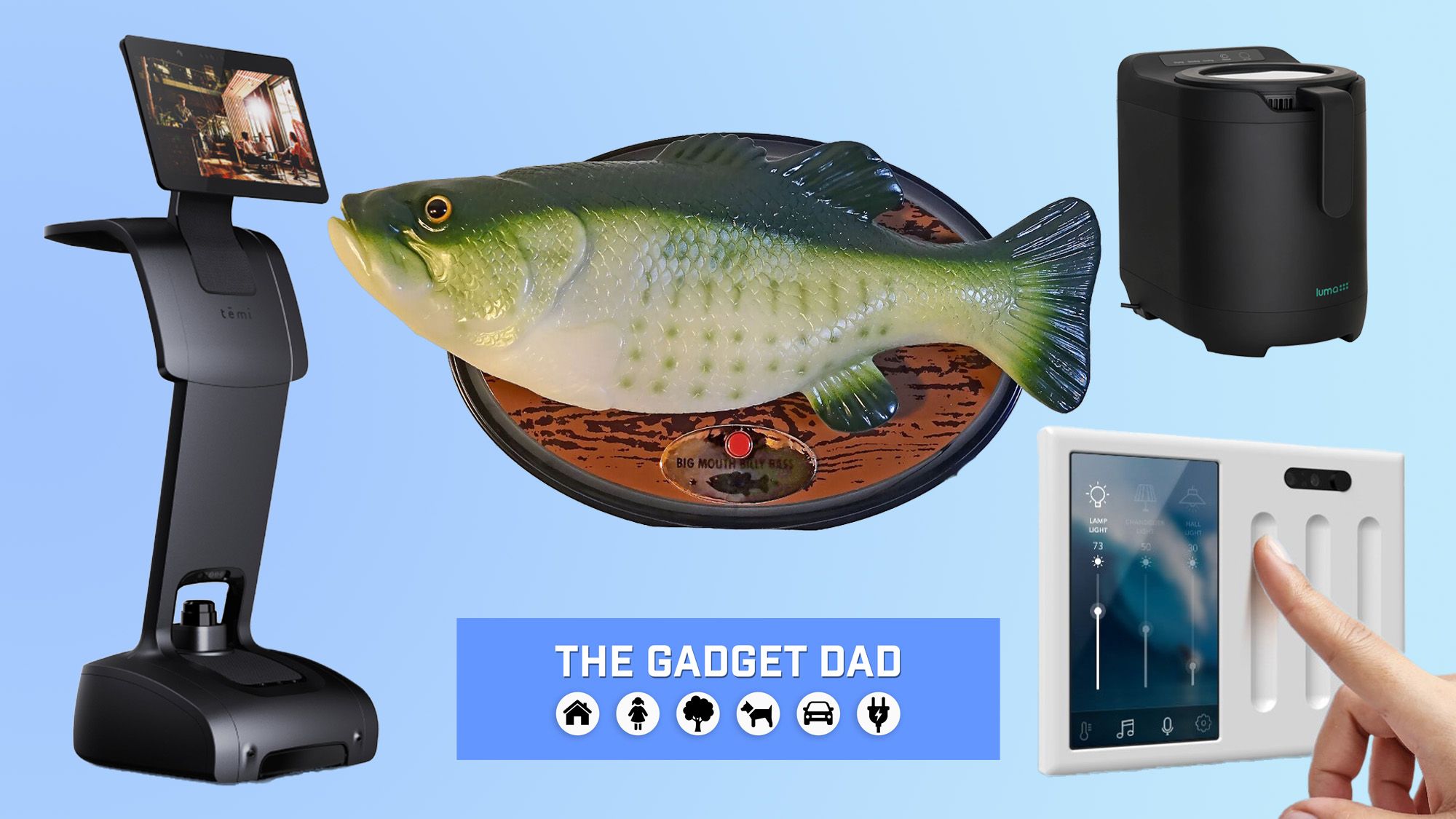
The divide between tech-optimism and domestic reality is best illustrated by the failure of over-engineered solutions. Take, for example, the Brilliant smart light switch. On paper, it is a powerhouse: a touchscreen capable of controlling music, acting as an intercom, and serving as a digital photo frame. Yet, in practice, the simple act of turning on a light required a tap and a slide.
For a spouse, this 'innovation' is a step backward. The desire to walk into a room and instinctively flip a switch without thinking is a fundamental human expectation. When a smart device adds extra steps to a basic task, it ceases to be smart and becomes a nuisance. This lesson is vital for product reviewers: if a smart device cannot smoothly replicate the 'dumb' device it replaces, it has failed its primary purpose.
The Robot Invasion: From iPad-on-Wheels to Kitchen Help
The tension between novelty and utility reaches its peak with home robotics. One such example was an expensive in-home robot—essentially an iPad on wheels—designed to follow users for seamless video calls. While conceptually futuristic, the reality was a four-foot-tall machine that terrified pets and toddlers alike.
The critical question asked by the skeptical partner is always: "Do we really need this in our home?" For most people with typical motor skills, a rolling screen is an unnecessary intrusion. In contrast, technology that solves a tangible problem—like the Luma Indoor Composter—wins approval. By reducing food waste and eliminating the pests associated with outdoor composting, the Luma provides a clear, functional benefit that outweighs its small 'earthy' smell.
The Golden Rule of Home Integration
Through years of testing, a clear pattern emerges regarding which gadgets survive the home environment. The winners are the devices that 'disappear' into the background. Smart light switches that look and feel like traditional switches, but offer scheduling and automation, are far more successful than touchscreen panels.
Similarly, smart holiday decorations that add ambiance without requiring a complete overhaul of the tree ornaments are welcomed. The common thread is invisibility; the best technology is that which provides a benefit without demanding a change in human behavior or introducing new frustrations.
Conclusion: The Human Benchmark
Hyperbolic marketing and shiny features can easily deceive the enthusiast. However, the domestic environment is the harshest and most honest testing ground. By listening to the skeptical partner—the one who asks why a device is necessary and demands that it 'just work'—tech reviewers and consumers alike can avoid the pitfalls of over-automation. Ultimately, the goal of a smart home should not be to live in a laboratory, but to enhance the comfort and efficiency of a living space.
Comments (0)
Sign in to join the conversation.Sign in
Loading comments...