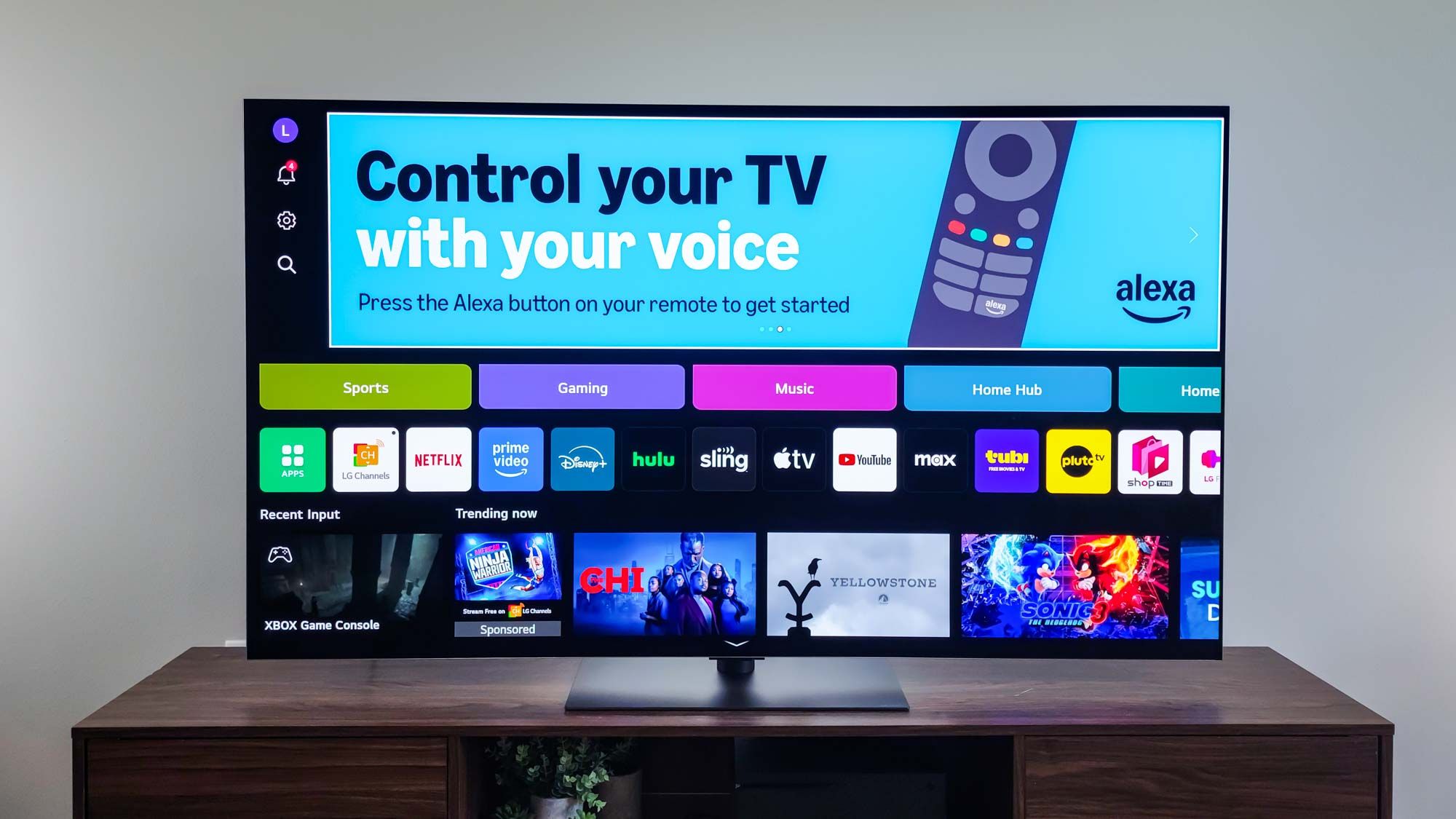
LG Addresses Smart TV Data Tracking Concerns, But Users Remain Skeptical
In recent days, the tech community has been abuzz with controversy following an investigative report from the YouTube channel Gamers Nexus. The report alleged that LG smart TVs are engaged in extensive, often non-transparent data collection practices, ranging from monitoring devices connected to home Wi-Fi networks to tracking content habits and capturing ambient audio, all potentially without explicit or clear user consent. The investigation has sparked a significant debate regarding privacy in the era of connected home devices.
LG's Formal Response
Facing mounting pressure, LG has officially responded to the accusations, refuting the claim that its smart televisions constantly record or transmit private conversations. The company stated that voice interaction features are strictly triggered by specific wake-words or physical interaction with the remote control. According to LG, audio processing for these wake-words occurs locally on the hardware, and no data is stored or transmitted unless a successful trigger is detected.
Regarding the use of Automatic Content Recognition (ACR), LG clarified that such data is primarily used for audience trend analysis and content segmentation. The company emphasized that interest-based advertising and cross-device targeting require active user consent and that these features can be disabled at any time through the TV’s settings menu.
Lingering Questions and Transparency Concerns
Despite LG’s efforts to clarify its operational procedures, many tech enthusiasts and privacy advocates, including industry experts, remain unconvinced. The primary concern is that while LG has issued a statement, it has not addressed the underlying investigative methodology used by Gamers Nexus. The lack of an independent audit or a technical rebuttal regarding how the evidence was gathered leaves a gap in public trust.
Key concerns that remain unanswered include:
- Security Safeguards: What technical protections are in place to ensure that local voice processing cannot be exploited by malicious actors?
- Extended Application of Data: Beyond basic trends, are there additional, undisclosed purposes for ACR-gathered data?
- Device Discovery: What specific details are being shared with LG about other devices on a user's private Wi-Fi network, and can this be fully disabled without losing core functionality?
As the industry moves toward more deeply integrated AI and smart features, the balance between convenience and privacy becomes increasingly fragile. For now, consumers are encouraged to review their privacy settings thoroughly and opt out of any data-sharing agreements they are uncomfortable with. We will continue to follow this story as further details emerge.
Comments (0)
Sign in to join the conversation.Sign in
Loading comments...