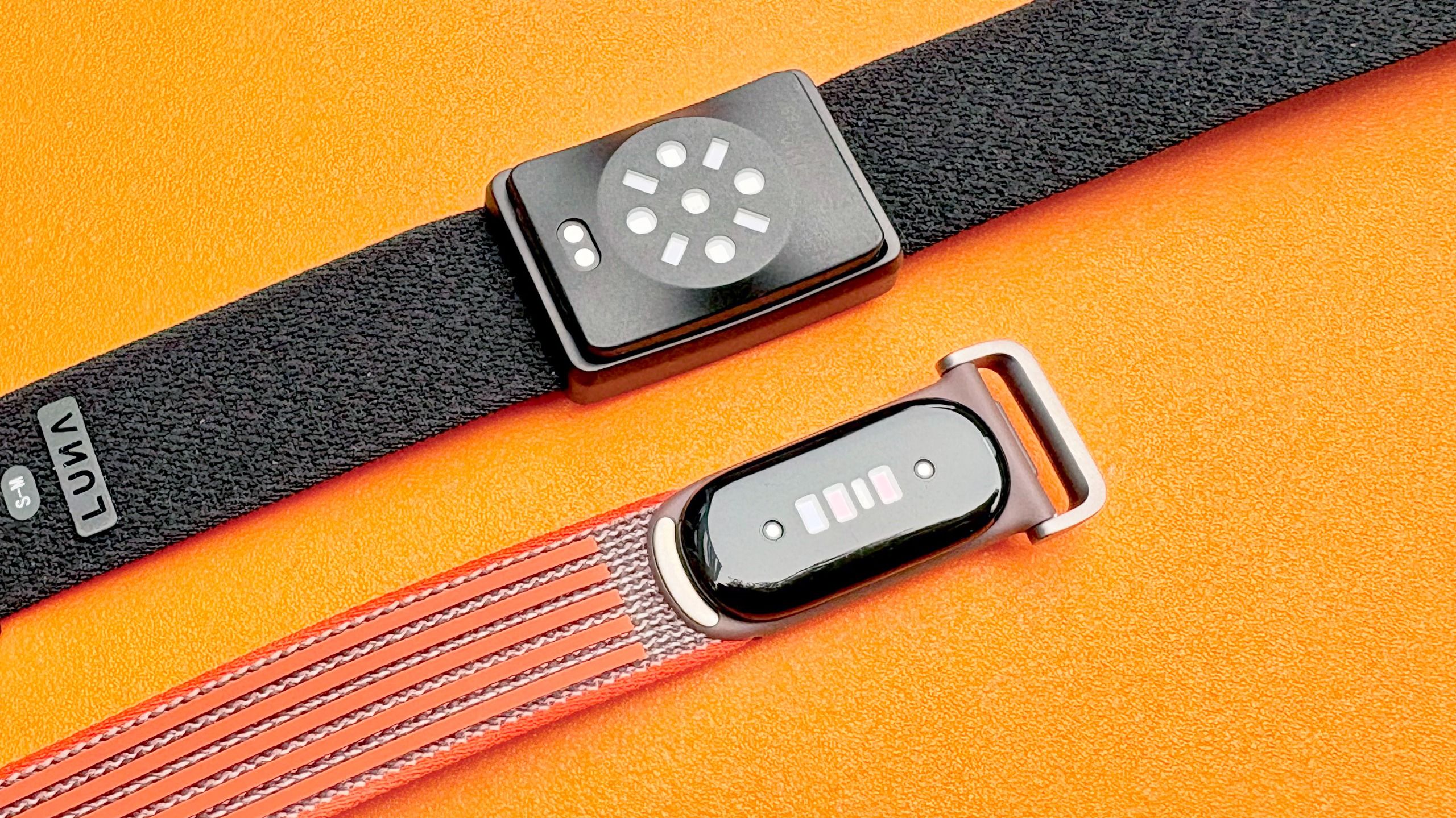
Luna Band vs. Fitbit Air: 5 Key Differences Between These Affordable Fitness Trackers
As the wearable technology market matures in 2026, the demand for screenless, unobtrusive fitness trackers has skyrocketed. While the Fitbit Air remains a dominant force for its reliability, comfort, and accessible price, the newly emerging Luna Band is positioning itself as a serious challenger. Both devices cater to users who want meaningful health insights without the distraction of a screen or a heavy watch face. Below are the five most significant differences between these two competitive health wearables.
1. Pricing Structure
When it comes to the initial investment, the Fitbit Air holds the advantage. Starting at $99, it is a highly attractive entry point for those dipping their toes into fitness tracking. The Luna Band enters the market at a slightly higher $149 price point. While it is more expensive, the company highlights its value through long-term savings compared to higher-end models like the $199 Garmin Cirqa.
2. Subscription-Free Features
While the Fitbit Air has a lower upfront cost, the total cost of ownership can vary significantly. Google’s platform often encourages a 'Fitbit Health Premium' subscription for advanced metrics, priced at $9.99 monthly or $99 annually. In contrast, the Luna Band takes a user-friendly, non-subscription approach. All of its advanced AI-driven health and wellness insights are included for the life of the device, with no hidden paywalls for deep analytics.
3. Battery Life Comparison
For those who dislike frequent charging, battery performance is paramount. The Luna Band edges out the competition with a rating of up to ten days on a single charge. The Fitbit Air typically provides seven days of usage. While both are impressive for their size, the Luna Band offers that extra cushion for longer trips or weeks where you might forget your charger.
4. Design and Ergonomics
If comfort is your primary concern, the Fitbit Air remains the industry leader in miniaturization. Weighing in at approximately 14 grams, it is notably lighter and narrower than the Luna Band, which weighs around 26 grams. The Fitbit’s compact design makes it less noticeable on the wrist, particularly during sleep or intense physical activity.
5. Haptic Feedback and Functionality
While both wearables utilize haptic motors, their implementation differs. The Fitbit Air uses vibrations primarily for silent alarms to wake you during optimal points in your sleep cycle. The Luna Band, however, utilizes haptics as a more active, daily interaction tool. It can be configured to provide health alerts, notification nudges, and movement reminders to keep you active throughout the day.
Ultimately, the choice between these two devices comes down to your personal priorities: do you value the lightweight, established ecosystem of the Fitbit Air, or do you prefer the no-subscription, feature-rich, and longer-lasting potential of the Luna Band?
Comments (0)
Sign in to join the conversation.Sign in
Loading comments...