The Hidden Eye in Your Living Room: Unmasking Smart TV Data Collection and Privacy Risks
The Illusion of Privacy in the Smart Home
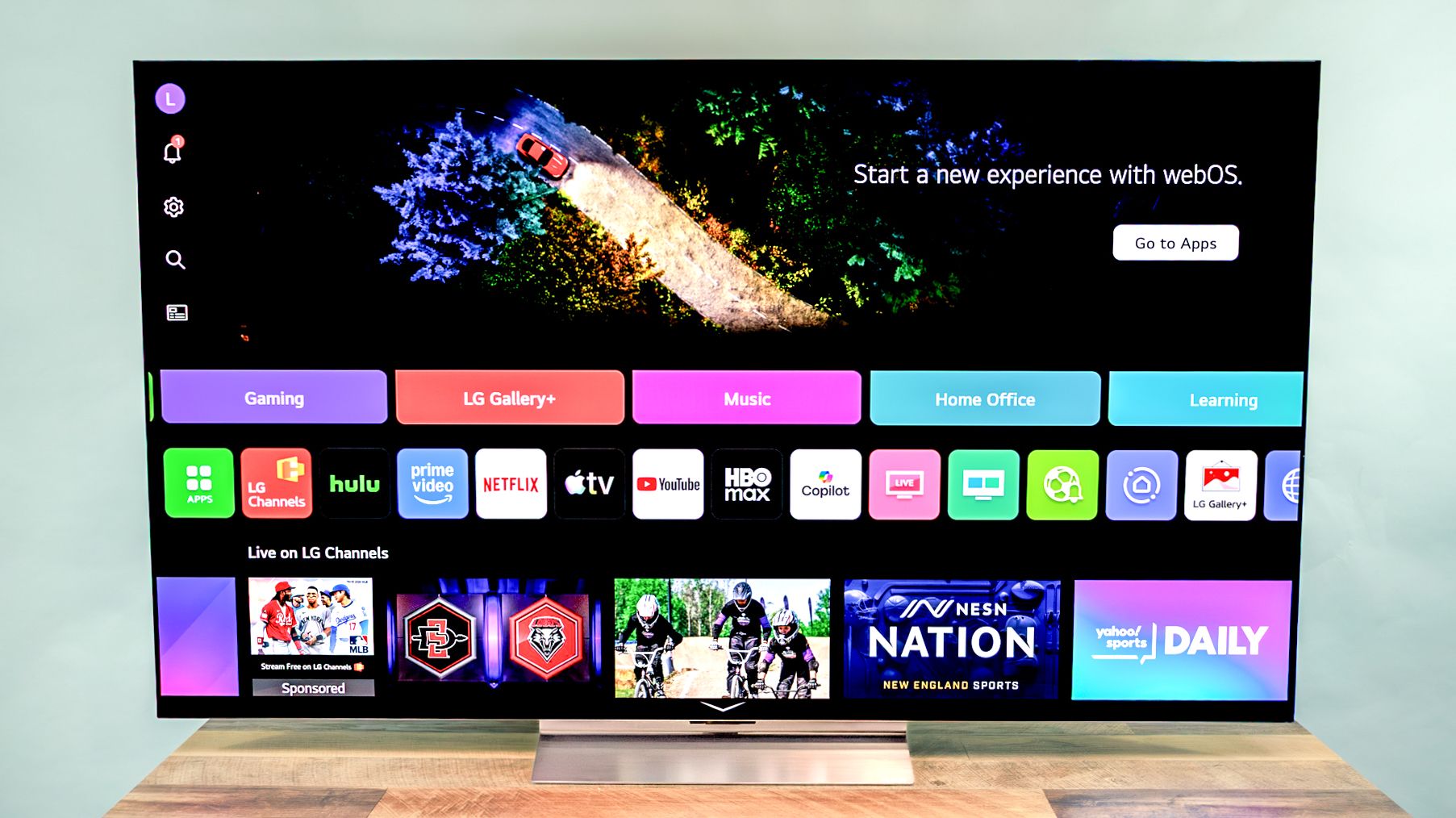
For years, we have invited smart TVs into our most private spaces, lured by the promise of seamless streaming and cutting-edge display technology. However, a growing body of evidence suggests that the price of a high-definition screen is often our personal privacy. Recent scrutiny has fallen on LG, one of the global leaders in OLED technology, revealing a level of data harvesting that far exceeds what the average consumer expects.
An investigative report from the tech channel Gamers Nexus has sparked a firestorm, suggesting that LG smart TVs are designed to be far more than just entertainment hubs; they are sophisticated data-collection nodes. The investigation purports that LG is well aware of the extent to which users are being tracked—even when those users are completely oblivious to it.
The LG Controversy: Microphones and Network Scanning
The revelations regarding LG's practices are particularly alarming. According to the investigation, LG smart TVs continuously scan and gather information about every single device connected to a user's home Wi-Fi network. While LG claims this network analysis is merely a tool to recognize and enable compatible devices, critics argue it provides an overly intrusive map of a user's digital ecosystem.
Even more concerning is the discovery that certain models record audio via microphones embedded in both the TV and the remote control. Most shockingly, this recording can occur even while the TV is disconnected from the internet. These audio files are reportedly transcribed and stored locally, then transmitted to LG servers the moment the device reconnects to the web.
LG has strongly denied these claims, stating that their 'always-on' listening is strictly limited to user-enabled features or specific 'wake words' like 'Hi, LG.' They maintain that transcribed text is processed locally and deleted rather than stored. Yet, the opacity of these processes leaves a gap for significant privacy risks.
A Systemic Issue: LG is Not Alone
While LG is currently the primary target of public ire, it is critical to understand that this is not an isolated case of corporate overreach. In the modern electronics market, user data has become the 'coin of the realm.' Almost every major TV manufacturer—including Samsung, Sony, Hisense, and TCL—employs similar strategies to monetize their hardware.
Many of these brands utilize Automatic Content Recognition (ACR). ACR is a built-in function that monitors exactly what is on your screen, regardless of the input source. It can take screenshots and track viewing habits, sharing this data with the manufacturer or third-party advertisers. This allows companies to build detailed psychological profiles of users, which are then used to sell targeted advertising back to the very person being tracked.
The economics of the industry explain this creep: the reason high-end TVs have become more affordable is that manufacturers offset production costs by selling user data. In this ecosystem, the consumer is not just the buyer—they are the product.
The AI Frontier and the Future of Snooping
As we enter a new era of AI-integrated hardware, the relationship between users and their data is set to become even more complex. Many companies are now marketing AI-based TV features as the centerpiece of their new lineups. While some offer genuine utility, others serve as a 'Trojan Horse' to justify more aggressive data collection and deeper integration into the user's private life.
The entanglement between smart TVs, voice-activated home assistants, and smartphones creates a web of surveillance that is nearly impossible for the average person to unravel using the provided 'Terms and Conditions' documents, which are often designed to be intentionally inscrutable.
How to Reclaim Your Living Room Privacy
While 'dumb TVs' (sets without internet connectivity) have virtually disappeared from retail shelves, there are several steps you can take to minimize your digital footprint:
- Disable ACR: Dive into your TV's settings and look for 'Viewing Data,' 'ACR,' or 'Interest-based Advertising' and toggle them off.
- Manage Microphone Access: Check your privacy settings to disable voice recognition if you do not use it. For the truly paranoid, some users employ physical covers for microphones.
- Network Isolation: Consider putting your smart TV on a separate 'Guest' Wi-Fi network to prevent it from scanning your primary devices.
- Use External Streamers: Using a dedicated streaming box (like an Apple TV or a shielded alternative) and keeping the TV's own 'smart' OS disabled can sometimes reduce the amount of data the hardware itself collects.
Until regulatory bodies compel TV manufacturers to be transparent about their data pipelines, the responsibility falls on the consumer. LG may be the brand under the microscope today, but the industry as a whole is watching us.
Comments (0)
Sign in to join the conversation.Sign in
Loading comments...