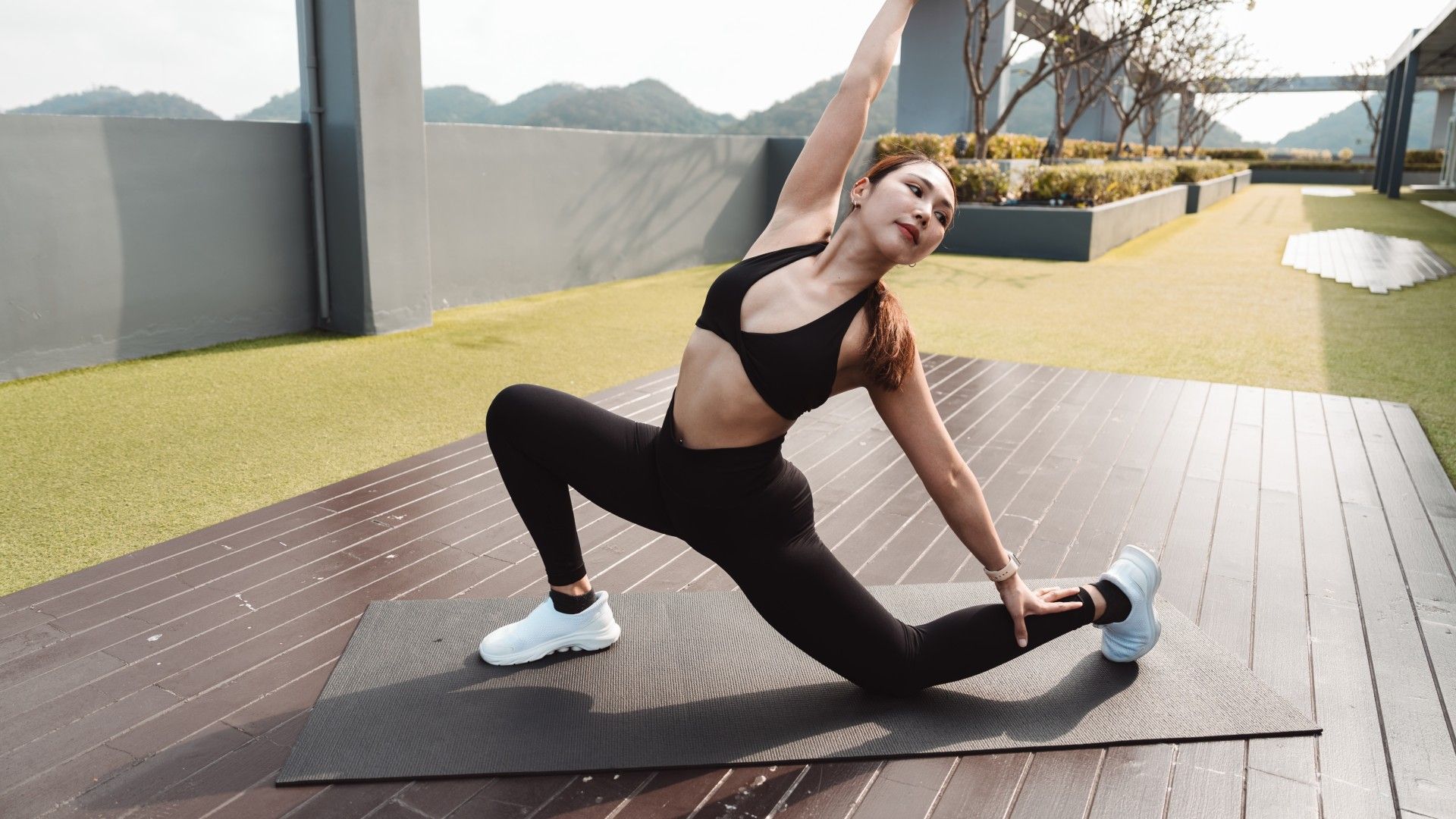
Beyond Basic Stretching: Why Dynamic Warm-Ups Are the Secret to Transformative Hip Mobility
The Great Stretching Myth: Static vs. Dynamic
For decades, the standard pre-workout ritual has been the static stretch—reaching for your toes or holding a quad stretch for thirty seconds while your muscles are still cold. However, fitness experts and professional coaches are now urging athletes to pivot. The reality is that static stretching before a workout can actually decrease muscle power and doesn't necessarily prepare the joints for the rigors of high-intensity movement.
True mobility is not just about flexibility; it is the intersection of strength, balance, control, and stability. While stretching increases the length of a muscle, mobility is the ability of a joint to move actively through its full range of motion. To achieve this, dynamic warm-ups—which involve active movements that mimic the workout to follow—are far more effective at "waking up" the nervous system and lubricating the joints.
The Critical Role of Hip Mobility
The hips are one of the most complex and frequently neglected areas of the body. For those who spend hours sitting at a desk, the hip flexors often become chronically tight, leading to a tilted pelvis, lower back pain, and reduced athletic performance. Improving hip mobility doesn't just make you more flexible; it enhances your squat depth, increases your running stride efficiency, and protects your lower back from injury.
The 3-Move Mobility Routine to Transform Your Hips
To bridge the gap between "just stretching" and true mobility, try this targeted three-move sequence. This routine is designed to be performed as a dynamic warm-up: 50 seconds of work followed by 10 seconds of rest, repeated for 3 rounds.
1. Seated Knee Drives
How to do it: Sit on a yoga mat with your legs extended. Lean back onto your elbows, keeping your spine neutral and your gaze forward. With controlled motion, draw one knee toward your chest, pause momentarily at the peak of the movement, and slowly lower it back down. Repeat with the opposite leg.
The Benefit: This move specifically targets the hip flexors and the deep stabilizing muscles of the core. For runners, this is an essential activation exercise that prepares the legs for the repetitive lifting motion of a stride. To increase the challenge, place a resistance band around your feet or just above your knees.
2. Up-and-Overs
How to do it: Sit with your legs extended and place a small block or a light weight to one side of your feet. Support yourself with your hands by your hips, or place them behind your head for a greater core challenge. Engaging your abs, lift both legs together and move them over the block, then back again. Incorporate a slight rotation of the waist as you move.
The Benefit: While this appears to be a core exercise, it is a powerhouse for hip mobility. It forces the obliques and transverse abdominis to work in tandem with the stabilizing hip flexors. This rotational motion helps the body resist unwanted impact and strengthens the waist, ensuring the core—not just the hips—is driving the movement.
3. Overhead Squats
How to do it: Stand with feet shoulder-width apart. Raise your arms straight overhead, pulling your shoulders back and down. As you sit your hips back into a squat, keep your arms "punched" toward the ceiling, ensuring your biceps stay close to your ears. Pause at the bottom, then drive through your heels to return to standing.
The Benefit: The overhead squat is the ultimate mobility test. It requires synchronization between the thoracic spine (upper back), shoulders, hips, knees, and ankles. If your chest tips forward or your arms drop, it reveals a mobility deficit. Mastering this move ensures you can maintain an upright posture and stabilize a load efficiently.
Progressing Your Practice
The key to seeing results in a matter of weeks is consistency and progressive overload. Start with your own body weight to ensure your form is perfect—specifically focusing on maintaining a long spine and a proud chest. Once the movements feel fluid, introduce resistance bands or light weights to challenge the muscles further.
By replacing stagnant stretching with these dynamic movements, you aren't just warming up; you are training your body to be more resilient, powerful, and mobile.
Comments (0)
Sign in to join the conversation.Sign in
Loading comments...