Stop Dust Mites Fast: The Simple 2-Inch Mattress Hack for a Healthier Sleep
The Hidden War in Your Bedroom: Understanding the Dust Mite Surge
As the crisp air of autumn arrives and leaves begin to fall, most of us prepare for 'cozy season' by bringing out heavier blankets and turning on the central heating. However, this shift in environment triggers a biological event known as the seasonal dust mite surge. According to Professor George Du Toit, a globally renowned expert in pediatric allergy, autumn marks the peak for dust mite proliferation and symptom flares.
The science behind this surge is simple yet frustrating: when central heating is activated, indoor air dries out, but the initial process traps high levels of summer humidity inside sealed rooms. This creates a perfect breeding ground for dust mites. As humidity fluctuates in the fall, many mites die off, releasing massive amounts of dried fecal allergen particles into the air just as we spend more time indoors with closed windows.
What Exactly Are Dust Mites?
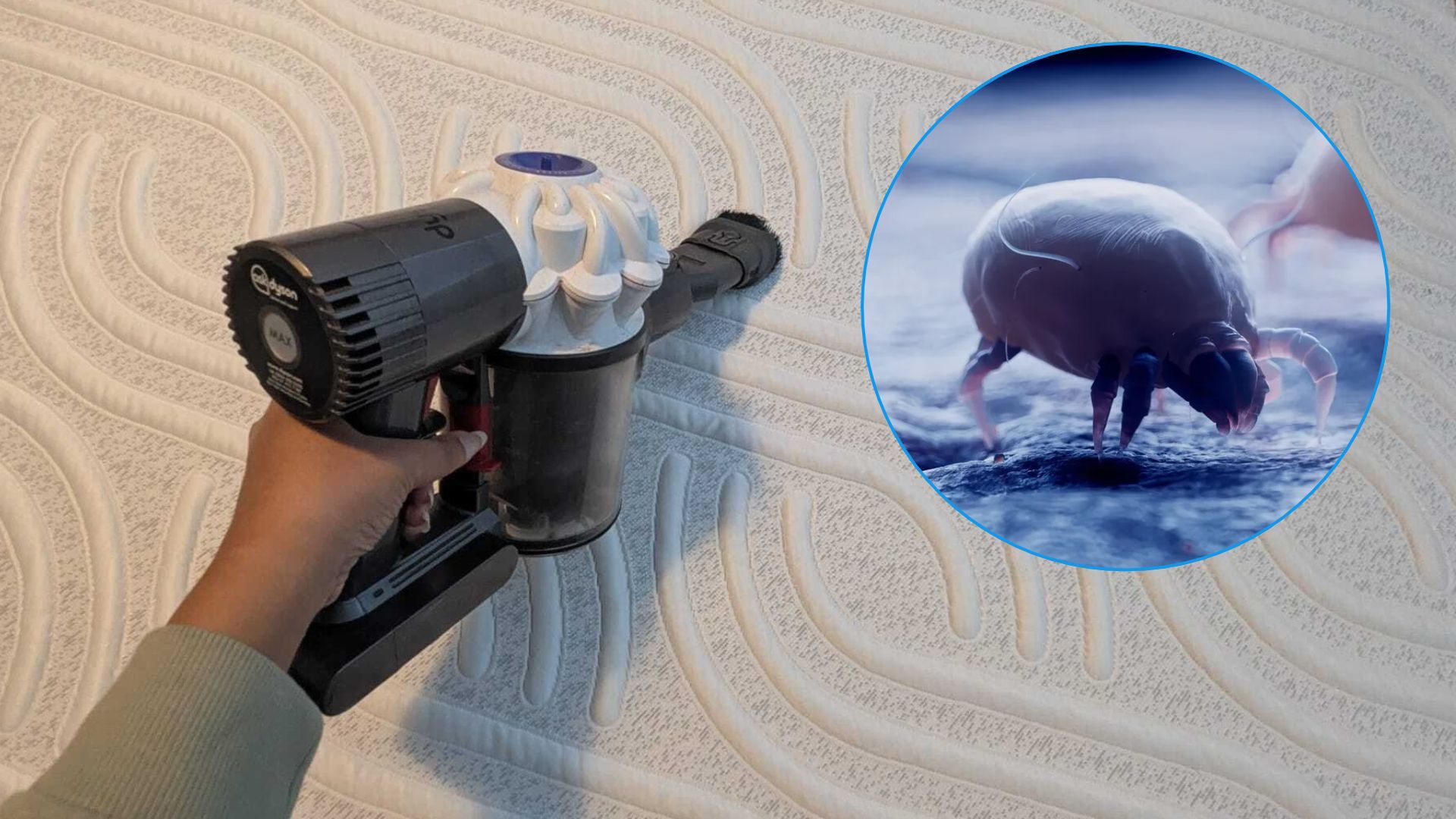
Dust mites are microscopic arachnids that thrive in dark, humid environments. While they don't bite, they feed on the dead skin cells humans shed daily—approximately 500 million cells per person. Your mattress, which traps body oils, moisture, and skin flakes, serves as an all-you-can-eat buffet for these pests. The most concentrated population is typically found in the top two to four inches of the mattress, just beneath the cover.
The '2-Inch Rule': A Game-Changing Cleaning Technique
Standard surface vacuuming often fails because it only skims the top layer of the fabric, leaving the embedded debris untouched. To truly combat the allergen load, experts suggest the '2-inch rule.' This technique uses concentrated compression to reach the deeper layers of the mattress where dust mite food and waste are trapped.
How to Execute the 2-Inch Rule
To implement this hack, follow these detailed steps to ensure maximum allergen removal:
- 1. Prepare the Space: Strip your bed completely. Remove pillows, sheets, and mattress protectors. Open your windows to allow displaced dust and allergens to exit the room rather than settling elsewhere.
- 2. Verify Your Equipment: This is the most critical step. Ensure your vacuum is equipped with a sealed HEPA filter. Without HEPA filtration, the compression process will simply push micro-allergens through the exhaust motor and back into your breathing zone.
- 3. Apply Compression: Use a narrow upholstery or brush tool. Instead of gliding across the surface, press the nozzle firmly into the mattress, compressing the top layer by approximately two inches.
- 4. The Vacuum Pattern: Move the nozzle slowly using overlapping concentric circles or tight horizontal rows. This creates a temporary vacuum seal against the fabric, pulling out deep-set skin flakes and fecal matter.
Pro Tip: For extra freshness, sprinkle baking soda over the mattress and let it sit for 30 to 60 minutes before vacuuming to absorb odors and moisture.
The Health Benefits of Deep Mattress Cleaning
Removing the 'food source' (skin cells) causes dust mite populations to decline more rapidly. Beyond the psychological satisfaction of a clean bed, this technique offers tangible health benefits:
- Reduced Respiratory Issues: Breathing in dust mite waste is a primary indoor trigger for asthma. Deep cleaning can reduce morning congestion, sneezing, and dry coughs.
- Improved Sleep Quality: A surface free of allergens allows for clearer breathing, leading to deeper, uninterrupted sleep.
- Extended Mattress Lifespan: Regular removal of debris and moisture prevents the deterioration of the mattress materials, helping your investment last longer.
Long-Term Protection Strategies
While the 2-inch rule is effective for cleaning, prevention is the key to long-term control. The 'golden rule' of mattress care is the consistent use of a high-quality mattress protector. These barriers prevent skin cells from reaching the mattress core and shield you from the mites already inside.
For those with severe allergies, look for antimicrobial-treated protectors. Combined with a deep vacuuming session every three months and washing bedding at 140°F (60°C) to kill live mites, you can transform your bedroom into a true sanctuary for health and wellness.
Comments (0)
Sign in to join the conversation.Sign in
Loading comments...