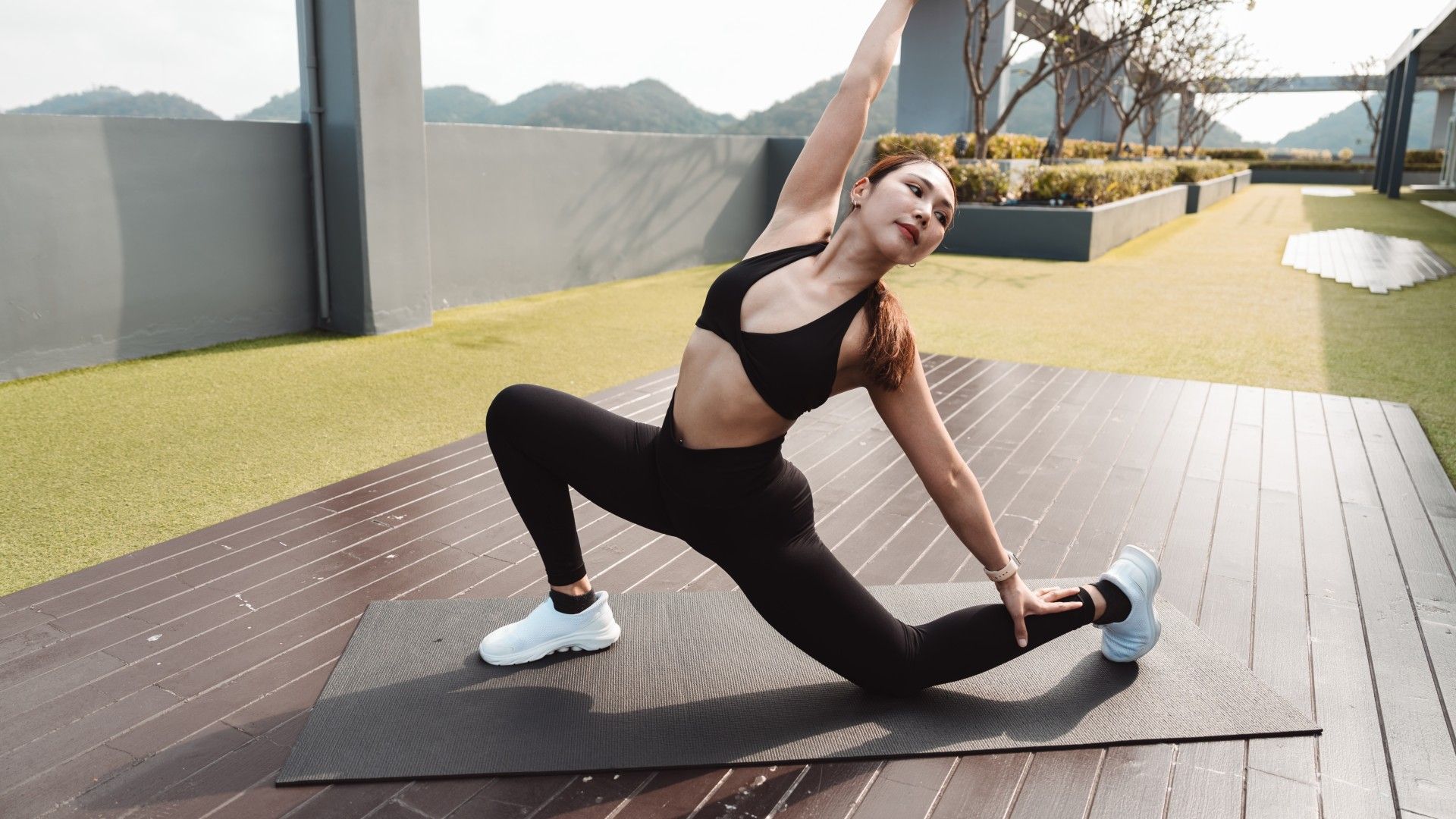
Stop Static Stretching: 3 Dynamic Moves to Transform Your Hip Mobility
For many, the standard pre-workout routine has long been synonymous with static stretching—holding a pose while standing still. However, personal trainers and fitness experts are increasingly shifting their focus toward dynamic movement, which better prepares muscles and joints for the demands of a workout. If you struggle with tight hips, replacing static holds with active, flowing movements can yield better results in a shorter timeframe.
The Problem with Traditional Stretching
Static stretching, while useful for cooling down, can sometimes inhibit performance if done before explosive or heavy movements. Instead of simply lengthening a muscle, true mobility work involves building strength, stability, and control throughout an increased range of motion. By moving through these positions, you are essentially 'oiling the hinges' of your joints.
The 3-Move Hip Mobility Routine
Perform this sequence as a dynamic warm-up before your next workout, or as a standalone routine to combat the stiffness caused by prolonged sitting. Aim for 50 seconds of work followed by 10 seconds of rest for 3 total rounds.
1. Seated Knee Drives
Sit on your yoga mat with your legs extended. Support your torso by leaning back slightly on your elbows while keeping your gaze forward. With control, draw one knee toward your chest, pause, and slowly return it to the floor. This activates the hip flexors and engages your deep core stabilizers, which is especially beneficial for runners.
2. Up and Overs
Place a yoga block or a small weight to one side of your body. Using your hands for support (or behind your head for increased difficulty), lift your legs over the object and back again. Keep your core engaged and your chest tall to ensure the movement comes from your hips and obliques rather than your lower back.
3. Overhead Squats
Stand with feet shoulder-width apart and reach your arms straight overhead, keeping your biceps near your ears. Lower into a deep squat while maintaining that arm position, then drive through your heels to return to standing. This movement acts as a total-body check, highlighting mobility limitations in the thoracic spine, ankles, and hips while strengthening the lower body.
Why This Works
By integrating these movements, you prepare your body to move under load. The rotational components of 'up and overs' help strengthen the waist to resist unwanted motion, while overhead squats force your upper body to maintain stability, creating a comprehensive mobility flow that leaves your hips feeling significantly more open and ready for action.
Comments (0)
Sign in to join the conversation.Sign in
Loading comments...