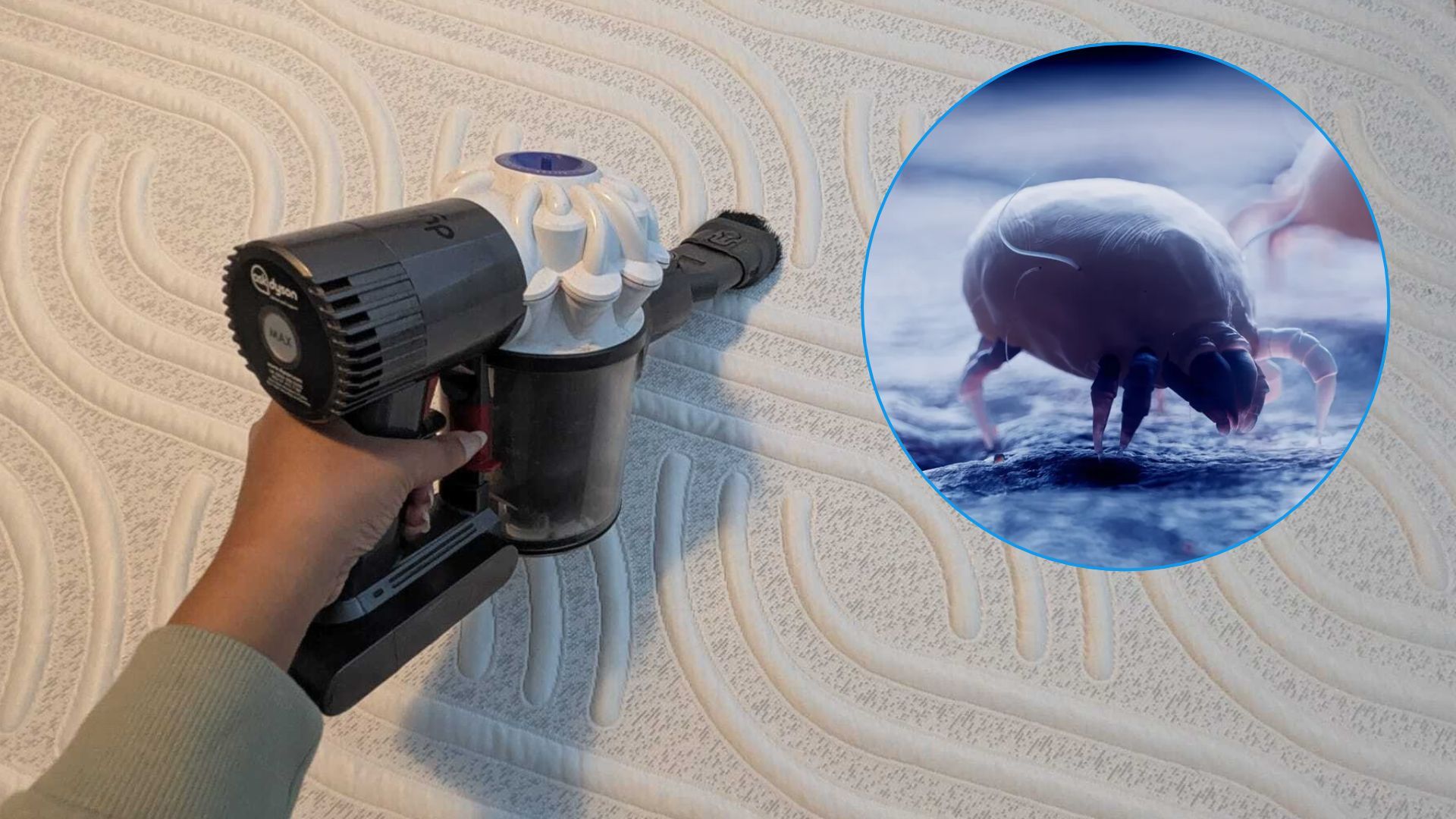
How to Stop Dust Mites: The '2-Inch Rule' Mattress Hack for a Cleaner Sleep
The Hidden Danger in Your Bedroom: Understanding the Dust Mite Surge
As the leaves fall and temperatures drop, many of us prepare for 'cozy season' by sealing windows and turning on the central heating. However, this shift in home environment often triggers a seasonal surge in dust mite populations. According to Professor George Du Toit, a leading expert in pediatric allergy, autumn marks a peak for dust mite proliferation and symptom flares.
The science behind this is simple: when we seal our homes to keep the warmth in, we trap the humidity accumulated over the summer. This creates a perfect breeding ground for microscopic arachnids known as dust mites. As the season progresses and humidity fluctuates, many of these mites die off, releasing massive amounts of dried fecal particles into the air—exactly when we are spending the most time indoors with limited ventilation.
The Science of the Mattress: Why Surface Cleaning Isn't Enough
Dust mites don't just live on the surface of your bed; they thrive in the dark, humid layers just beneath the fabric. Their primary food source is dead human skin cells—of which we shed roughly 500 million every single day. A significant portion of this biological debris settles into the top two to four inches of your mattress.
Most people make the mistake of performing a light surface vacuum. While this removes loose dust, it fails to dislodge the embedded skin cells, body oils, and mite waste trapped deeper in the fibers. To truly impact the population, you must remove their food source from the deeper layers of the mattress cover.
What is the '2-Inch Rule'?
The '2-Inch Rule' is a concentrated compression technique designed to reach the debris that standard vacuuming misses. Instead of skimming the surface, this method involves applying firm, downward pressure with the vacuum nozzle to compress the top two inches of the mattress. By creating a tight seal against the fabric, the vacuum can pull out embedded skin flakes, dead mites, and fecal particles that would otherwise remain trapped.
Important Note: While this technique is highly effective at removing the 'food' and the allergens, it will not kill live colonies of mites. To eliminate live mites, high heat—such as steam cleaning or washing linens at 140°F (60°C)—or specialized UV vacuuming is required.
Step-by-Step Guide: Implementing the 2-Inch Rule
To get the most out of this deep-cleaning hack, follow these specific steps:
1. Prepare the Environment
Strip your bed completely. Remove all pillows, sheets, and mattress protectors. To ensure that the allergens stirred up during the process aren't just redistributed around the room, open your bedroom windows to allow fresh air to circulate.
2. Verify Your Equipment
Before starting, check that your vacuum cleaner is equipped with a sealed HEPA (High-Efficiency Particulate Air) filter. This is non-negotiable. Without HEPA filtration, the pressure created by the 2-inch compression can force micro-allergens through the vacuum's exhaust motor and spray them back into your breathing zone.
3. Execute the Compression Technique
Use a narrow upholstery tool or a brush attachment. Press the nozzle firmly into the mattress until you feel the top layer compress by approximately two inches. Move the vacuum slowly, using overlapping concentric circles or tight horizontal rows. This ensures no spot is missed and creates the necessary vacuum seal to extract deep-set debris.
Pro Tip: Sprinkle baking soda across the mattress and let it sit for 30 to 60 minutes before vacuuming to absorb moisture and neutralize odors.
The Benefits of Deep Mattress Maintenance
Implementing the 2-inch rule regularly—ideally every three months—offers several health and longevity benefits:
- Reduced Respiratory Distress: Dust mite waste is a primary trigger for asthma and allergic rhinitis. Removing these particles can lead to less morning congestion and fewer sneezing fits.
- Improved Sleep Hygiene: A mattress free of biological debris feels fresher and creates a more inviting sleep environment.
- Extended Mattress Life: Regular removal of dust and oils prevents the deterioration of the mattress materials, helping your investment last closer to the 7-10 year mark.
Long-Term Protection Strategies
While the 2-inch rule is a powerful reactive tool, prevention is key. The most effective way to control dust mites is to install a high-quality mattress protector. These act as a physical barrier, preventing skin cells from entering the mattress and stopping mites from migrating toward you. For those with severe allergies, antimicrobial-treated protectors provide an added layer of defense.
Comments (0)
Sign in to join the conversation.Sign in
Loading comments...