Is your bathroom harboring black mold? An expert shares 3 telltale signs and how to fix them
- Tags
- cleaning tips
- mold prevention
- Home Improvement
- bathroom maintenance
- Indoor Air Quality
- black mold
Understanding Bathroom Mold and Why Fall is Critical
Bathrooms serve as the ultimate breeding ground for mold, utilizing warm water and trapped steam to establish the humid, damp environments where invasive spores naturally thrive. Once unsightly green or dark patches take root, removing mold for good can become an arduous challenge requiring a substantial amount of elbow grease. Black mold, in particular, should raise immediate concerns, as certain strains can trigger significant health issues such as existing allergies or respiratory illnesses over extended periods.
According to home maintenance experts, the autumn season introduces critical conditions for black mold growth. Cooler outdoor temperatures combined with indoor humidity create ideal settings for increased condensation inside bathrooms. Addressing these vulnerabilities early is vital for preserving both your home's structure and your indoor air quality.
What Is Black Mold?
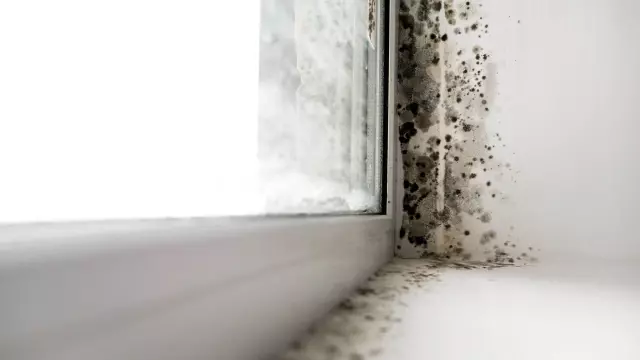
Black mold is a specific type of fungus that flourishes in damp, humid settings and areas prone to persistent condensation. It typically manifests as dark green or black spots and patches, commonly appearing around bathtubs, tile grout, and window sills. As Richard Hill, a tile expert at Waxman Ceramics, explains, bathroom mold develops when moist air from hot showers meets colder surfaces, allowing condensation to accumulate. Grout and silicone sealants are particularly vulnerable because moisture frequently pools along tile edges.
Beyond visual indicators, a strong, musty odor often signals the presence of hidden black mold. If you notice a persistent damp smell but cannot see any visible growth, the fungus may be spreading behind drywall, under flooring, or within your HVAC system, requiring a professional inspection.
3 Telltale Signs of Black Mold and How to Fix Them
1. Damaged or Discolored Grout
Because mold can extend beneath tiles and deep into porous materials, routine surface cleaning is often insufficient to stop it from returning. If your grout shows cracks, wear, or permanent discoloration, it may be harboring black mold underneath. Experts advise replacing damaged, cracked, or deeply stained grout entirely rather than endlessly scrubbing. Ensuring that bathtub sealants are mold-resistant and properly maintained prevents moisture from seeping behind fixtures.
2. Persistent Moisture on Tiles and Surfaces
While opening a window or door after a shower helps, residual moisture on cold tiles can rapidly foster mold growth. Developing a habit of wiping down wet shower walls, corners, and glass doors immediately after use eliminates trapped water. Additionally, leaving shower curtains fully extended allows them to dry evenly and prevents localized spore development.
3. Unmanaged Condensation
Effective ventilation is your primary defense against bathroom humidity. If your bathroom walls and mirrors remain fogged long after you finish showering, the room lacks adequate moisture removal. Running an extractor fan during and after bathing, opening windows when weather permits, and utilizing a reliable dehumidifier can drastically lower indoor humidity levels and keep black mold at bay.
Comments (0)
Sign in to join the conversation.Sign in
Loading comments...